
I’ve written a few times before about both the past and the future. But I keep thinking about how weirdly English can deal with both tenses. Continue reading
I’ll Just Get That for You Now

I’ve written a few times before about both the past and the future. But I keep thinking about how weirdly English can deal with both tenses. Continue reading

I briefly considered the word catchphrase today. Continue reading
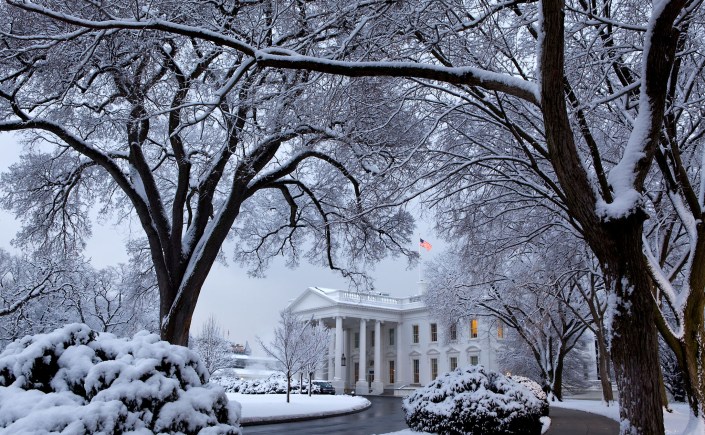
This word has been in the news a lot lately, specifically American news stories. It’s mainly only used in American English, and for that reason I’ve actually never heard it spoken aloud. Continue reading

I spent a little time in the classroom yesterday, correcting a test. One of the exercises required the students to finish the sentence Is the climate cold, or… with one of three options. One was …is it too hot? and another was …is it multicultural?
Obviously the correct answer was …is it too hot? But one student asked if …is it multicultural? could be right too. And of course it wasn’t, but then I thought: It also kind of is. Continue reading

I was wondering this morning why we say once and twice as alternatives to one time and two times in English.
It’s one of these things learners of English find it hard to remember to use. Partly it’s because there’s no greater pattern at work, as for every other number after one and two we just say three times, four times etc. It’s also because most other languages use the equivalent of one time and two times.
So why does English have to be awkward, once again, and not just use one time and two times? Continue reading

A pretty simple word, really, but a couple of months ago I began to think about how nuanced it is. Continue reading
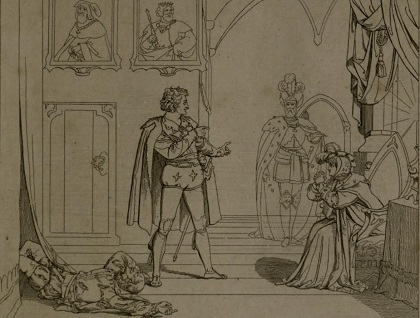
At least not until you’re sure which one’s which. I often think about the two words to lend and to borrow, and how even native speakers often get them mixed up, even though they’re opposites.
Can I lend a pen from you?
Can you borrow me your pen?
I’ve often wondered why people would get them mixed up. But then these aren’t the only pair of opposites that are surprisingly close in the English language. Continue reading
 English-Language Thoughts