
Would you like tea? You would? Great! But please, take a seat, because this is going to get complicated.
What’s for Tea?

Would you like tea? You would? Great! But please, take a seat, because this is going to get complicated.

I’ve still been thinking about common mispronunciations since Saturday. While doing a little casual googling to confirm what I suspected about which mispronunciations annoyed people, I came across a post which featured some of the more common language errors that bedevil Americans in particular. They were all there: supposably, libary, literally, irregardless, aks et al. And I can understand why they might be annoying. If you say one thing, and someone else says another, that’s annoying. Even more so if the dictionary agrees with you. Getting annoyed is ok, but are such errors really a sign of the death of the English language?
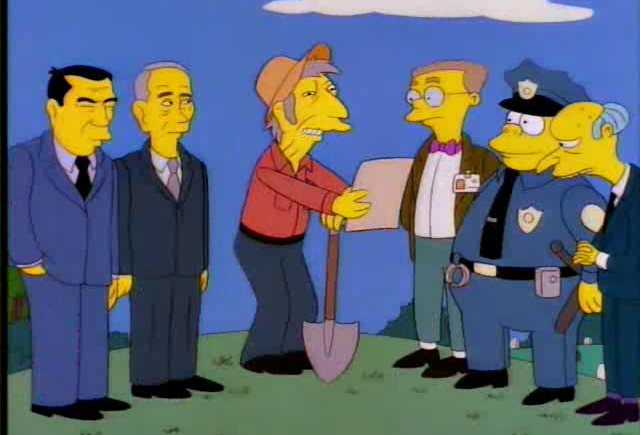
I seen that guy yesterday.
I done a lot of work yesterday.
Reading those sentences in your head might drive you crazy. Such terrible grammar!, you might say to yourself. And yes, they are grammatically incorrect. They should be, of course:
I saw that guy yesterday.
I did a lot of work yesterday.
What interests me about such utterances is: how wrong are they really, and why do people get so annoyed by them? First, let’s look at how exactly they’re wrong.
The two sentences are examples of the past simple tense, referring to a discrete action in the past. To construct this tense, we need a subject (I in both these cases) and a past simple form of a verb (to see becomes saw, to do becomes did). We might also have an object of that verb, and quite possibly a time indicator like yesterday. Continue reading
 English-Language Thoughts