
Earlier week I learned something new about the English language, which isn’t something I get to say often. It was this:
Hip Hop and the Big Bad Wolf
Earlier week I learned something new about the English language, which isn’t something I get to say often. It was this:

While writing yesterday’s post about future forms, I took a little time to think of useful example sentences for each form. Not as much time as I might in the classroom though because if you’re reading this you know and use these forms quite well, either through being a native speaker, or having learned to a high enough level to be able to read blogs in English. The examples therefore didn’t need to do any heavy lifting in terms of demonstrating meaning.
But of course that’s different for people who are still figuring things out, and therefore need a little more guidance. Consider the following exchange:

Having already looked at how we talk about the present and the past, let’s have a look at how we talk about the future in English. You’re probably feeling confident now: maybe you were initially surprised at the complexity of how we refer to the present and/or the past, but now you’ve got this figured out, and you can easily identify how we refer to the future. OK, well, let’s see.
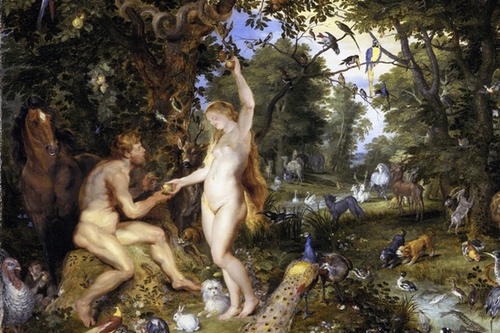
If you’re reading this reading this on the day it was posted, there’s a good chance that I’m in Paradise right now. Well, Pairi Daiza, to be more specific, which is the name of a zoo in Belgium. The similarities between the two words are not coincidental though.

Elbow grease. This is a term that’s long bugged me. It never really seemed logical. How exactly could it relate to hard work or effort? The grease I can kind of understand as a metaphor, because it could make a job easier if it involved moving stubborn parts. But why elbow?

Estimates vary as to the number of words in the English language (171,476 in current use according to the OED), but for most of us, it’s not really important, as we never use the vast majority of them. But what exactly are these other words? A lot of them are scientific and technical terms we never come across or need to know. But there are quite a few words to describe common situations or objects, that you may not have known had names at all. Such as…

I’ve still been thinking about common mispronunciations since Saturday. While doing a little casual googling to confirm what I suspected about which mispronunciations annoyed people, I came across a post which featured some of the more common language errors that bedevil Americans in particular. They were all there: supposably, libary, literally, irregardless, aks et al. And I can understand why they might be annoying. If you say one thing, and someone else says another, that’s annoying. Even more so if the dictionary agrees with you. Getting annoyed is ok, but are such errors really a sign of the death of the English language?
 English-Language Thoughts