The Most Beautiful Language in the World?

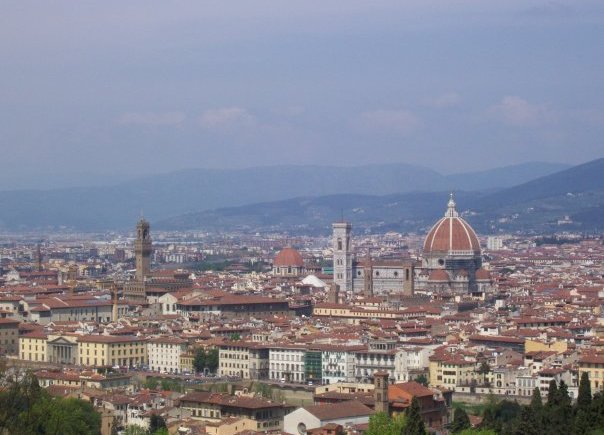
I read this article recently, suggesting that Italian is the most beautiful language in the world. I was intrigued, thinking that obviously the idea of beauty in any terms is going to be subjective, but I could also see why many people would choose Italian, so I read on.

Continue reading

“They were trying to pull the sheep over our head, and something got lost in translation.”

It certainly did! This was overheard in passing recently, and I couldn’t help but smile. I don’t mean to mock, because I believe the individual who said this was under stress and therefore liable to make a slip. But it was funny. Ah, but I could see where they were coming from.

Continue reading

Learner Drivers at the Intersection of French and English

Would you surprised that learner is a very-commonly used English word in other languages? Well, not exactly the word learner itself, but the L-plate used on cars to indicate that the driver is a learner. I’d been driving in Belgium for a while, and had noticed that their L-plates are a blue background with a white L, as opposed to the Irish white with a red L. But I never stopped to consider that the L stood for Learner (the French translation would be apprenant or apprenti). Never, that is, until I saw a French learner driver…

Continue reading

English Lessons for Experts: Present Perfect Simple

We’ve already looked at the three main tenses in English: the past, the present, and the future. Or two tenses, if you don’t consider the future a tense. But in addition to tense, there’s another element to referring to time in English, and that’s aspect. There are three different aspects in English, each of which can be combined with a tense (and sometimes another aspect), and they are: simple, continuous, and perfect.

I’ve already covered simple and continuous in writing about tenses, and they’re fairly straightforward (I go, or I’m going), but the perfect aspect is a little trickier. Before getting into the details, have a look at the following pairs of sentences:

Continue reading

Quick on the Draw!

The verb to draw is quite a useful one, isn’t it? There’s the obvious meaning of draw a picture, but consider how many other ways we use it:

Continue reading

Using Apostrophes and the Future of English in Europe

English has long been fashionable to use in other languages. For teenagers and young adults, it’s the language of a lot of their pop culture, as well as being an international lingua franca, that can help one connect with people all around the world. That’s why, especially across Europe, you’ll find little bits of English peppered throughout people’s speech.

Naturally, this isn’t always going to be accurate in terms of native speakers’ usage, but that’s not so important. I’ve noticed recently though, an apparent trend in how non-native speakers use English that’s a little bit curious, because it reflects one of the ways in which native speakers make mistakes in English.

Continue reading

Paradise

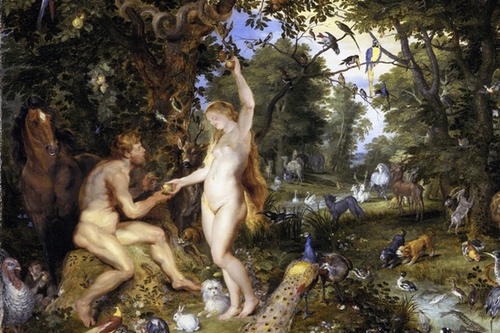
If you’re reading this reading this on the day it was posted, there’s a good chance that I’m in Paradise right now. Well, Pairi Daiza, to be more specific, which is the name of a zoo in Belgium. The similarities between the two words are not coincidental though.

Continue reading