An Historic Occasion or A Historic Occasion?

I’ll tell you before the end, I promise (I bet he just says that both are correct, he always does). But you can see already, can’t you, how the letter H isn’t so simple even for native speakers.

In fact, it can be quite a controversial letter, sparking more arguments than perhaps any other.

Continue reading

Why is the Word Pants Plural?

Or trousers for that matter, if you’re from the UK. I went with pants for the title simply because most of you, dear readers are American. Anyway, the burning question: why are these words so brazenly plural when they clearly refer to a single garment?

Continue reading

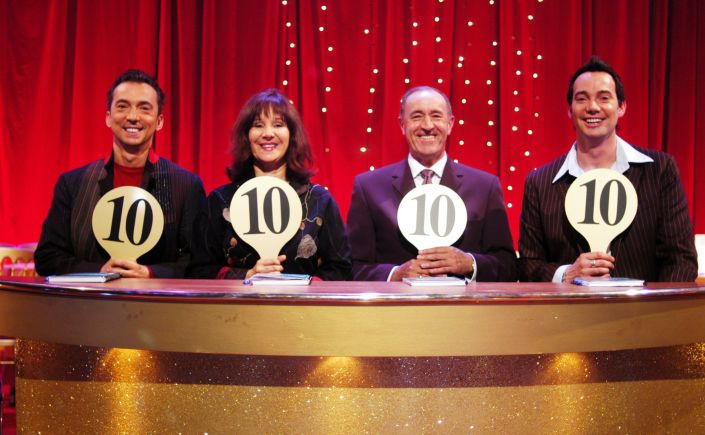
Did you Watch Strictly at the Weekend?

No, I didn’t, sorry, I never watch it.

I’m referring here of course to popular BBC Saturday-evening dance programme Strictly Come Dancing (translated into American English as Dancing with the Stars). It’s often referred to simply as Strictly, but if you step back and think about it, isn’t that a little odd?

Continue reading

What do the Birdman of Alcatraz and Golf Have in Common?

Albatrosses!

See, I told you I’d have more amazing albatross facts for you. 

Continue reading

Avoidance, Evasion, and Avoision

You may have heard of the Paradise Papers, which have revealed some of the figure financial dealings of the super-rich. Reading about them is interesting because of how careful the better journalists are with their use of language. Because, a single misused word can make a big difference.

Continue reading

Into or In To?

Well, it depends, doesn’t it?

Even if you’ve never thought about it before, it’s perhaps not too surprising that the word into is a combination of the words in and to. If you think about any sentence in which you might use the word, it clearly combines the meaning of both:

He walked into the room.

To is there because there’s movement, and to usually comes after verbs of movement. In is there because he ends up in the room. Easy. But, does this mean we can always replace in to with into?

Continue reading

Begging the Question

Writing about the etymology of the word clock yesterday reminded me of when I wrote about the word to decimate recently, and how people are fond of citing its original meaning as being to reduce by 10%, even though that’s not true.

As I said before, I can understand people having this misconception, and I can understand the instinct to correct people. There have always been people who’ve acted this way about language, but recently I’ve noticed more and more people taking such a prescriptive approach to English.

Continue reading