Supposably

I can still clearly remember watching an old episode of Friends when I was much younger, which featured a scene in which Chandler explained that he had dumped a girlfriend because she pronounced supposedly as supposably. I immediately had a moment of panic until I reassured myself that I had been pronouncing the word correctly. I had doubted myself for a second because supposably actually sounds quite natural, and I could easily imagine pronouncing it that way without really thinking about it.

Continue reading

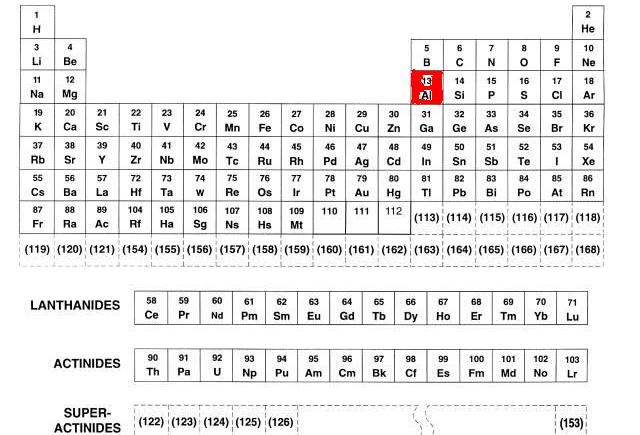
Aluminum or Aluminium?

Continuing the themes of the last two days, pronunciation and names, I want to shift focus slightly from issues with pronunciation in a second language, to those native English speakers have with their own tongue. If you search for something like “most annoying mispronunciations,” you’ll find plenty of people venting their frustration. Sometimes, it’s understandable. As I’ve mentioned before, we seem to have an inbuilt resistance to anyone using language differently from us, regardless of which one of us, if either is correct. Other times though, it says more about the person complaining. Here are some of the more common complaints: Continue reading

How do you Say That?

Pronouncing names correctly, whether they be first names or surnames, is something most of us are understandably concerned about. This is especially the case if you’re in a situation in which you’re with people with surnames which aren’t familiar to you, like being in front of a class of people learning English. It can be tricky, because other languages often have different pronunciations of letters. And, from experience, our knowledge of those differences can vary.

A common example is Spanish names with J, such as José. The classic mistake is to pronounce the J exactly as it’s normally pronounced in English, as in juice or jam. But you might know that in Spanish, it’s usually more like the letter h in English. So, being very culturally sensitive, you pronounce the J like an H, but then, it’s not exactly as simple as that, is it? It’s a little more strongly pronounced, a little throatier than in English, and the o is more emphasised. But then if we try to pronounce it exactly as a Spanish speaker would, it’s embarrassing. Why is that? Continue reading

Late-Night Thought: Words you Read but Never Say

We all have a store of words that we come across again and again as we read, but we never actually hear spoken. So we then either:

a)  have a moment of surprise when we hear it for the first time…

b) hear it spoken aloud, but never associate that sound with its spelling, thinking of them as two separate words (this was the case for me with the word epitome for a long time), or…

c) we go our whole lives never hearing them.

Here are some of the most common words people have this struggle with: Continue reading