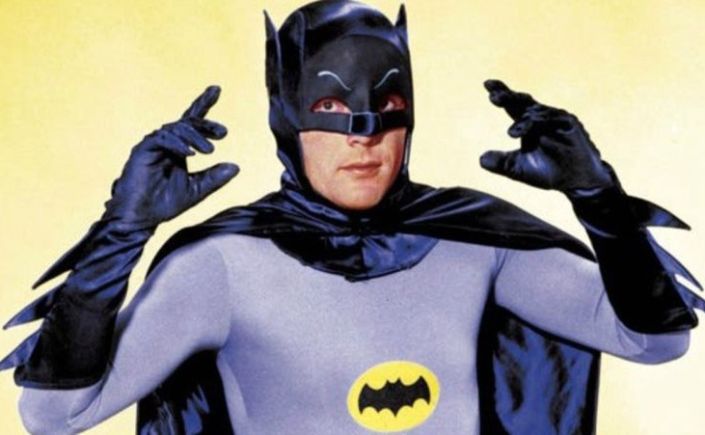
Holding out for a Hero

When writing about James Joyce last month, I got to thinking about the word hero. Two things made me think about it: the fact that an early draft of A Portrait of the Artist as a Young Man was known as Stephen Hero, and how often I referred to Leopold Bloom as the hero of the novel Ulysses.

On the surface, it seems like a fairly straightforward word. You can think of its meaning pretty easily, I’m sure: someone brave, with exceptional abilities. Someone we can look up to. And this has always been the meaning of the word. It comes from the Greek ἥρως (hērōs), meaning protector or defender, and was often specifically used in Ancient Greek myths to refer to heroes of divine ancestry such as Heracles. So, not so different from how we use it today. Except, as I alluded to in the first paragraph, when we use it as a literary term.
Continue reading

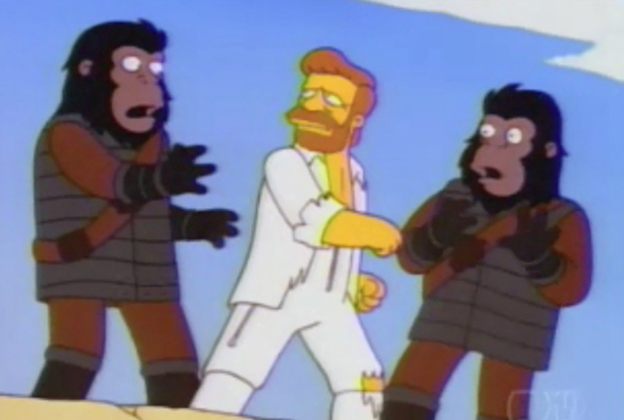
Stop the Monkey Planet, I Want to Get Off

Have you seen the new Monkey Planet film?

The what?

Monkey Planet! You know the ones with the talking monkeys. That guy’s in this one, what’s his name, James Franco. It’s pretty good.

Monkey Planet!?

Yeah, you know the first one, it’s from the 60s, with the astronauts and they crash land on a planet with talking monkeys!

Are you ok?

Monkey Planet, it’s a classic, how do you not know it!

You’re talking nonsense, I’m leaving!

Monkey Planet!! Ah, putain, attend, en anglais c’est Planet of the Apes!

Monkey Planet. Beneath the Monkey Planet. Escape from the Monkey Planet. Conquest of the Monkey Planet. Battle for the Monkey Planet. Tim Burton’s ill-advised Monkey Planet remake. Rise of the Monkey Planet. Dawn of the Monkey Planet. Untitled Monkey Planet Sequel.

How many of these films would you like to see (Battle for the Monkey Planet sounds like it could be good fun to be honest)?

They might all sound like fun, but aren’t they lacking the grativas of the title Planet of the Apes? It’s a good thing that the film’s producers went with that title then. But that wasn’t always the case… Continue reading