I was reading Thomas Hardy’s Tess of the d’Urbervilles the other day when at one point, a character described the eponymous heroine as “a crummy girl.” As with many of Hardy’s novels, which are full of 19th-century English West-Country dialect, there was an explanatory note. I was going to pass over it, as there are many such notes, and I don’t want to interrupt my reading flow by stopping for each one. Plus, the meaning was pretty clear from the context: it obviously meant attractive.
etymology
Back for Good
I used the expression for good recently, in the standard way, meaning forever. And then I thought: why do we use for good in this way? Continue reading
Still Life
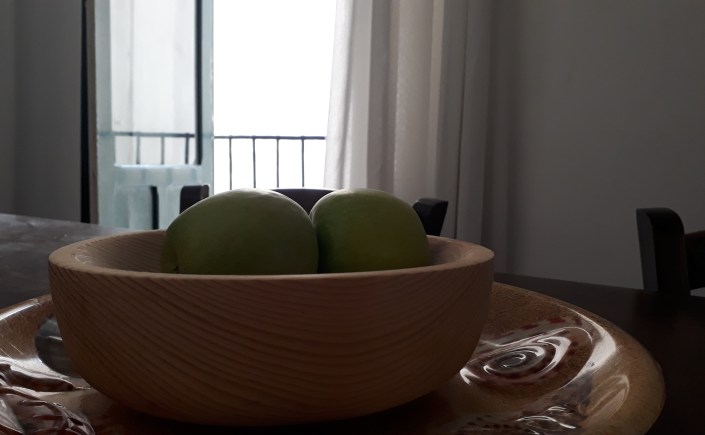
I can’t say I’ve ever spent a lot of time thinking about the term still life. I do know that at least once I had thought about the incongruity of the term though. Continue reading
Who is John Doe?
John Doe, caucasian, approximately 45 years old, evidence of blunt-force trauma to the base of the skull…
Pretty familiar if you’ve been exposed to the barest minimum of American crime fiction: “John” and “Jane Doe” used to refer to an unidentified victim or suspect in a criminal case. But why these names in particular? Continue reading
Watch this Space

I’ve been thinking about my watch a lot lately. Well, maybe not a lot, exactly, but more than normal.
You see, my watch has recently started losing some of its batons. Continue reading
Venetian Blinds
I was reading an Italian short story the other day (in an edition with English translations on the right-hand page) when I saw an interesting word: la persiana. Continue reading
Sshhh!!!
OK, now we can begin.
I’m not sure what got me thinking about this word (or, ejaculation at least, I’m not sure it merits being considered a word). It’s certainly not one I like to use much. Still, it’s curious. Continue reading

