I went to see A Monster Calls on Friday night, and really enjoyed it. Without spoiling much, it was a tougher watch than I expected, but still quite beautiful and touching at the same time.
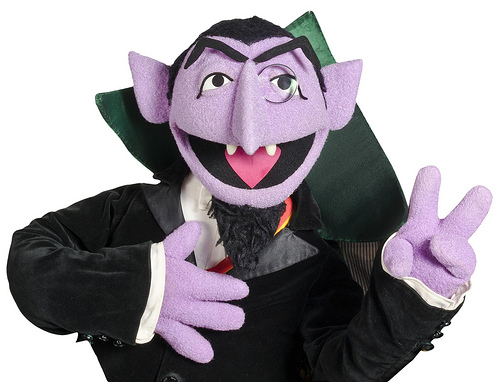
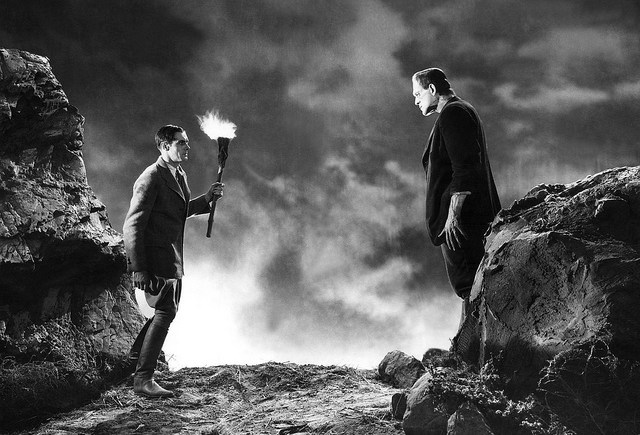
I’ve been ruminating on the word monster since then. While the meaning hasn’t changed greatly in the many years its been in use, I’ve been interested in its complexity and layers of meaning since learning something of its etymology a few years ago. It comes from the old Latin monstrum, meaning divine omen or portent. The appearance of hideous figures was believed to indicate the arrival of some great event. Monstrum is derived from the verb monere, which means both to warn and instruct. From this root also came the verb monstrare, meaning to show or point out. This word gained the prefix de-, with demonstrare meaning to demonstrate, with the prefix meaning entirely.
So while the words demonstrate and monster might seem quite different on the surface, there are some basic similarities in their individual meanings. The appearance of a monster was believed to demonstrate that something momentous was going to happen, and throughout all the time we’ve been telling stories, monsters have been used to demonstrate one thing or another, and instruct us in some important life lessons. Continue reading →

 English-Language Thoughts