A Little Schooling

What school did you go to?

This always seemed like a straightforward question to me, and that’s still mostly true. After asking, Do you mean primary or secondary school? if it wasn’t not clear from the context, I’d then answer. But as I watched more television as a child, my certainty of the meaning of the word school wavered somewhat. Here’s my previously-secure conception of the stages of education: Continue reading

“I see you took the name of the town. What was your father’s name? “

Following on from yesterday’s look at mispronunciations (and “mispronunciations”) by native speakers, I want to look specifically at how we often pronounce surnames differently, specifically surnames from other languages. I thought about this after watching The Godfather Part II recently, and noticing the way the character Senator Geary pronounces the surname Corleone*. Notice how it changes in the clip below (contains salty language!): Continue reading

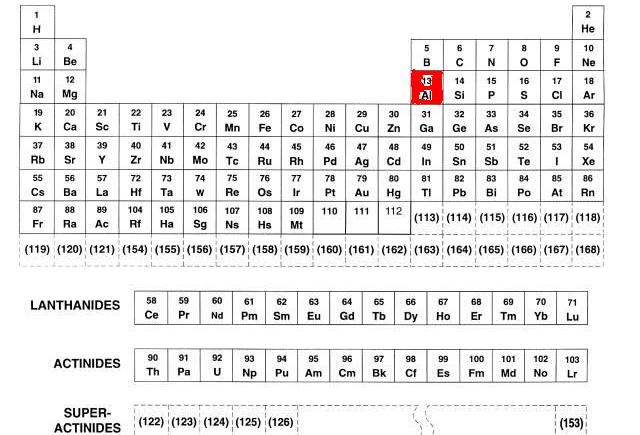
Aluminum or Aluminium?

Continuing the themes of the last two days, pronunciation and names, I want to shift focus slightly from issues with pronunciation in a second language, to those native English speakers have with their own tongue. If you search for something like “most annoying mispronunciations,” you’ll find plenty of people venting their frustration. Sometimes, it’s understandable. As I’ve mentioned before, we seem to have an inbuilt resistance to anyone using language differently from us, regardless of which one of us, if either is correct. Other times though, it says more about the person complaining. Here are some of the more common complaints: Continue reading

How do you Say That?

Pronouncing names correctly, whether they be first names or surnames, is something most of us are understandably concerned about. This is especially the case if you’re in a situation in which you’re with people with surnames which aren’t familiar to you, like being in front of a class of people learning English. It can be tricky, because other languages often have different pronunciations of letters. And, from experience, our knowledge of those differences can vary.

A common example is Spanish names with J, such as José. The classic mistake is to pronounce the J exactly as it’s normally pronounced in English, as in juice or jam. But you might know that in Spanish, it’s usually more like the letter h in English. So, being very culturally sensitive, you pronounce the J like an H, but then, it’s not exactly as simple as that, is it? It’s a little more strongly pronounced, a little throatier than in English, and the o is more emphasised. But then if we try to pronounce it exactly as a Spanish speaker would, it’s embarrassing. Why is that? Continue reading

What’s Your Name?

What’s your name?

Not a particularly difficult question, generally speaking. In English, when we say name, we usually mean a person’s given, or first, name. Things can be a little more confusing when you have to switch to dealing with French though. I’m currently living in Belgium, and routinely get momentarily confused by forms which ask first for nom, and then prénom. My instinct is to write my first name in the space for nom, until I remember that in French, nom means surname, and prénom means first name. Continue reading

To Whom it Concerns…

When do I use who, and when can I use whom?

It’s a common question, especially for people who find themselves in a situation where they have to use formal written English, such as a job application, letter of complaint or academic essay. When people find themselves in such situations, especially if they’re unaccustomed to them, replacing who and while with whom and whilst respectively are often seen as convenient shortcuts to formality. And while it is possible to always replace while with whilst, the same is not true of who and whom, and there are specific situations in which we can use whom.

Before figuring it out, I want to look at two incorrect uses of whom, as that’s usually more instructive: Continue reading

Look, but Don’t Watch

I’d like to continue on the theme of difficulties students can have in learning English. Only the difficulty I want to look at today is one that’s shared by teachers, in a way, though in a different way. Something we’re not usually conscious of is how many verbs in our native language are very similar. We don’t have to think about the subtleties of difference between them, because we grow up absorbing how to use them correctly. But for learners, it can be extremely difficult to figure out exactly how and when to use them.

For example, think about the verbs, to talk, to speak, to say, and to tell. Take a moment to think about how you’d explain them to someone who’s unfamiliar with how to use them. Not easy, I’ll bet. Now I’ll try to make the differences clear. Continue reading