
—So that’s N… I… A…
—N!?
—No, N.
—M, ok.
—No, N.
—Yeah, that’s what I said, M.
—It’s N, n for nuisance.

—So that’s N… I… A…
—N!?
—No, N.
—M, ok.
—No, N.
—Yeah, that’s what I said, M.
—It’s N, n for nuisance.
When I decided to call my blog English-Language Thoughts, I paused after first seeing the title typed out. I knew of course that it was the correct title, but it didn’t seem so aesthetically pleasing with that little hyphen in there. It makes it asymmetrical, too heavy and clumped together on the left. English Language Thoughts would probably look much better.

Olaf Stapledon’s Last and First Men isn’t such a well-known book in 2016. There probably isn’t anything really close to a modern equivalent to compare it to. There’s no main characters we get to know and connect with as they follow their personal journeys, and there’s little in the way of plot or action. Picking a well-worn front-coverless Pelican Books edition for €1 today (or about 5 years ago as I did), it might seem like an alien object: a dry, historical book about our future. Though there also wasn’t much to compare it to when it was first published in 1930.

I’m loving it!
Is this incorrect? Should we insist that one can only say I love it?
Going by what the grammar books say, then yes, I love it is strictly the correct form. To love is a stative verb, which means it cannot be used in a continuous sense, (e.g. I love, I’ve loved and I loved are all fine, but never I’m loving or I was loving). Some other common stative verbs include to know, like, want, believe, agree, hate and understand. Try putting I’m before them and an -ing at the end and see if it sounds strange.
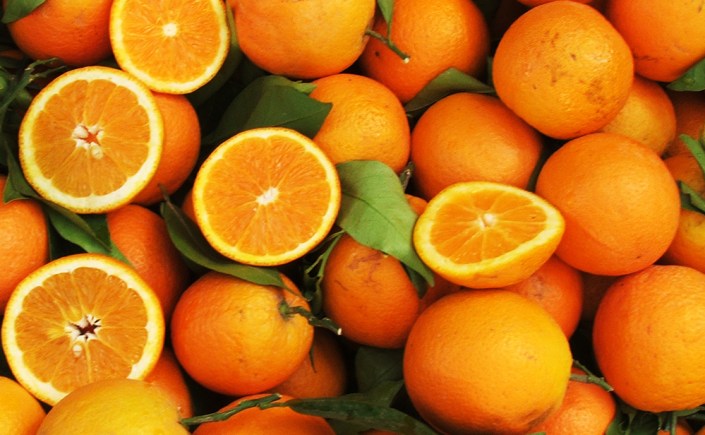
Orange – a versatile word, with the honour of representing both a colour and a fruit.
Which came first? The fruit, after which the colour was named. The story of how the fruit got its name is an interesting one. Most likely, the word derives from the Sanskrit नारङ्ग nāraṅga, meaning orange tree. You can still see similarities to this word in many modern languages: naranja in Spanish, for example.
Why don’t we say norange then? Continue reading
Monday morning 4th July, you’ve just bumped into an old friend, and the conversation is coming to an end:
“Great to see you, we should meet up again soon. How about going fishing next Saturday?”
“Sounds good, but wait, I don’t think I’m free on the 16th.”
“Yeah, but that’s ok, it’s not next week, it’s next Saturday.”
“But next Saturday is next week. You mean this Saturday.”
“Exactly, next Saturday, this Saturday coming.”
“But hang on, how can it be next Saturday and…”
“Just forget it, now I remember why I haven’t seen you in years!!”
This post is inspired by an argument I came across elsewhere on the internet, about when exactly next Saturday is: this week or next week?
For me it’s always been straightforward: Continue reading
| I am not | I’m not | I’m not | Am I not? | Aren’t I? |
| You are not | You’re not | You aren’t | Are you not? | Aren’t you? |
| (S)he is not | (S)he’s not | (S)he isn’t | Is (s)he not? | Isn’t (s)he? |
| We are not | We’re not | We aren’t | Are we not? | Aren’t we? |
| You are not | You’re not | You aren’t | Are you not? | Aren’t you? |
| They are not | They’re not | They aren’t | Are they not? | Aren’t they? |
Spot the odd ones out?
I’ll give you a little time… Continue reading
 English-Language Thoughts