
Following the violence (from armed Nazis, and the one side they represent) in Charlottesville, some people have suggested that the perpetrators only acted like brutal, thuggish Nazis, because people had been calling them brutal, thuggish Nazis for so long. Of course they’re going to act like Nazis if you keep calling them Nazis! Obviously it’s an attempt to take the blame away from the actual Nazis committing the violence. It’s an attempt to say, Look, these are just troubled young men not happy with the way they’re country’s going. But they’ve been demonized by SJWs, and that’s made them lash out in frustration! What do you expect when you call someone a Nazi!
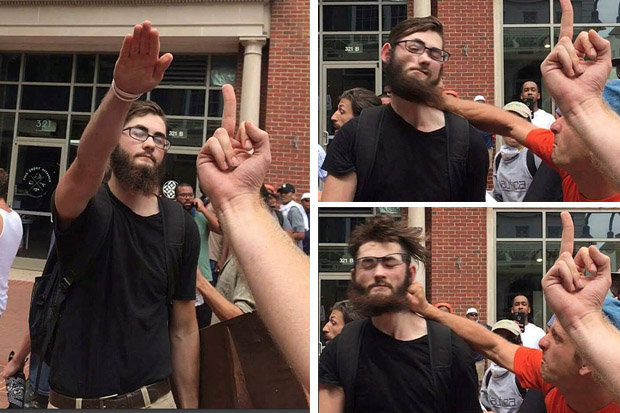
There a couple of assumptions being made here. The first is that if you label someone with a negative name often enough, they’ll become what you call them. And that seems logical enough. Imagine how angry it would make you to unfairly labelled as something as terrible as a Nazi!? Except, that only really works when the label is applied unfairly, doesn’t it? So let’s take a moment to have a look at some of the people being called Nazis:
 English-Language Thoughts