Pretty, Pretty, Pretty Good

Adjective:

(of a person, especially a woman or child) attractive in a delicate way without being truly beautiful.

‘a pretty little girl with an engaging grin’

Adverb:

To a moderately high degree; fairly.

‘he looked pretty fit for his age’

‘it was a pretty bad injury’

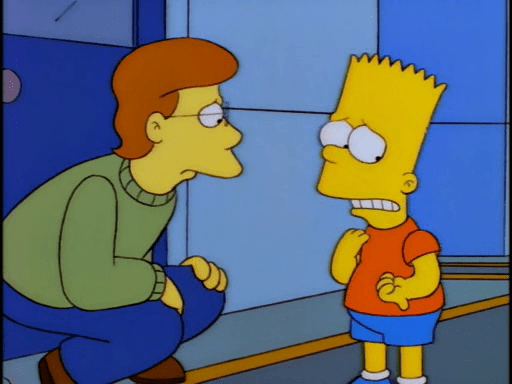
Pretty is, well, a pretty interesting word. The definition that immediately comes to mind for you is probably the first one above. What really interests me about this definition is that last part: without being truly beautiful. Pretty is certainly a less powerful word than beautiful. Because of that it, like nice, feels almost like an insult to use it to describe someone. Sure, it’s technically a positive word, but when you’ve got so many other adjectives you can use, calling someone pretty feels like a deliberate choice to not use something more unambiguously complimentary.

Continue reading

He/She/It: They all Float Down Here

I saw IT last week, only it was actually Ça, considering I saw it in a cinema in Liège. English-language films are generally dubbed here, but as it was a somewhat arty cinema, they were proud to offer the VO (version originale) with French and Dutch subtitles. Having two sets of subtitles taking up space on the screen is quite distracting, but it’s an interesting opportunity to compare English, French, and Dutch at the same time.

Watching a film with subtitles in a language you know is always a little odd, as they never translate things exactly, largely because such a thing is basically impossible. Even so, there are always one or two choices the subtitler makes which boggle the mind. I don’t recall anything like that in this case, but there was one necessary difference in translation that intrigued me.

Continue reading

“None of them is” or “None of them are?”

Which of the following is correct:

It’s ok! None of the coffee is on my shirt!

I called the guys, and none of them is coming.

I called the guys, and none of them are coming.

(Oh man, usually when he asks Which one is correct? they’re all correct and he expects us to amazed. Watch)

Well, you might actually be amazed to find out that they’re all correct!

(*sigh* See?)

But why are they all correct?

Continue reading

Quick on the Draw!

The verb to draw is quite a useful one, isn’t it? There’s the obvious meaning of draw a picture, but consider how many other ways we use it:

Continue reading

Knowledge is Power

What does it mean to know something, or someone? To know is such a common verb that we use all the time, but when you really look into it, it becomes quite complex.

Defining it seems fairly straightforward: it means to understand something, or generally have knowledge about something. But consider the two following sentences: Continue reading

What’s Black and White and Read All Over?

A newspaper!

Ha!

I’m sorry, I can’t resist a classic bad joke. But have you ever wondered why the past simple and past participle forms of the verb to read look identical to the present form, but sound different (“red”)? Continue reading

Ye Olde Thorn in My Side

Ye Olde English

How do you pronounce that phrase? Some people might argue about whether the e in Olde should be pronounced, but no-one would dispute how to pronounce the other two words. Would they…?

It seems reasonable to assume (as I did for a long time) that Ye is pronounced with a y sound (as in you) at the beginning of the word, but here’s the thing:

That’s not a y. Continue reading