
Hooligans, the Lot of Them!

Hooligan‘s a great word, isn’t it? The sound of it really matches what it represents. Now the word is mainly associated with troublemakers at football games, but it’s been around for quite a long time. It first appeared in British police reports in 1898, and seems to have been based on the surname Houlihan. Coming from the original Gaelic surname Ó hUallacháin, it came to be used to represent a stereotypical comic Irish figure in music-hall shows in the late 19th century.

Given the stereotypes of Irish people in cities like New York and London at the time, it’s not such a surprise that the name became a synonym for an angry, violent, and probably drunk, individual. The word was also quickly absorbed into Russian as khuligan, to refer to violent young men harassing people on the streets, and political dissenters. Continue reading
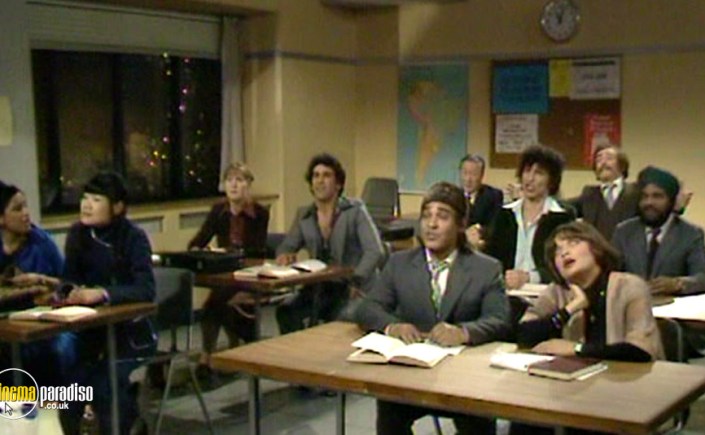
Teaching on TV

9am:

Teacher: Good morning class!

Class: Good morning!

*teacher writes Hello, my name is Niall. on the board*

*teacher points to self, says Hello, my name is Niall*

Teacher: Now Saud, you!

Pedro: Hello, my name is Saud.

Teacher: Very good! Now Anna, you.

Anna: Hello, my name is Anna.

Teacher:Yes Anna, very good! Now Chen, you.

Chen: Hello, my name is Anna.

*everyone laughs*

Teacher: Ha ha, no Chen, your name is Chen!

Chen: Ah sorry! Hello, my name is Chen!

Teacher: Excellent!

9.02am:

*bell rings*

Teacher: Ok everyone, before you go, I want you to write Hello , my name is… 50 times on a suitably blank surface. Class dismissed!

I think the above is pretty representative of most of the depictions of English-language classes I’ve seen in films and TV programmes. I know everyone gets annoyed when their profession is depicted on screen and it’s quite inaccurate. We can’t expect film and TV writers to be experts in a job that might appear briefly in only one scene. But what annoys me about the way English classes are shown is that it’s indicative of a lot of people’s misconceptions of English-language classes.

Let’s look at what’s wrong with the lesson above.

Continue reading