
What do these four women have in common?
Why, the fact that they all have the same name of course!
OK, they don’t really, but it’s not entirely inaccurate to say so. Why not? Read on…

What do these four women have in common?
Why, the fact that they all have the same name of course!
OK, they don’t really, but it’s not entirely inaccurate to say so. Why not? Read on…

Why do we say tonight in English? When you think about it, it’s fairly unusual. Last night makes sense, and so does tomorrow night. But tonight? Where does that come from?

Are you a millennial? What even is a millennial?
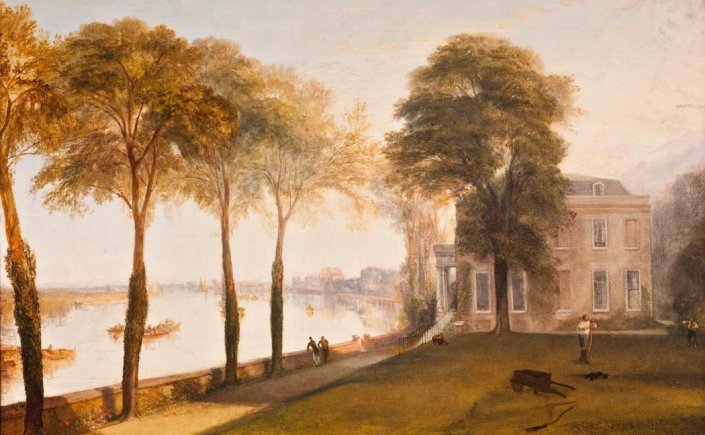
What makes a house a home?
I’m sure you all have very different and interesting answers to that question.

It’s true, I’m not.
No matter how much I might sound like I think I am, most of what I share here is from my own informal research. Of course working in an English-language school helps, as does my own interest in language, but I could never claim to be an expert in any kind of official sense. Though, if you look at where the word comes from, then maybe I am…

I thought about this word recently, when writing about the story often shared about the origins of the word kangaroo. Obviously the word is now most associated with the native people of Australia. This hasn’t always been the case though.

Why do we say, mainly in American English, that someone’s green if they’re inexperiened or naïve?
It’s actually quite simple really: it’s because they’re fresh and new, like new green plants growing in the spring. Still, there could be many other adjectives we could use instead of green in this case. I think there’s a particular significance to the way we use green here. Perhaps more than other colours, green has a greater significance than just its surface detail.
 English-Language Thoughts