
I discovered an interesting bit of etymology recently. I was reading SPQR: A History of Ancient Rome by Mary Beard. In a chapter about work and business, she mentioned a Latin word – otium. Continue reading
Let the Negotations Begin

I discovered an interesting bit of etymology recently. I was reading SPQR: A History of Ancient Rome by Mary Beard. In a chapter about work and business, she mentioned a Latin word – otium. Continue reading

Have you ever wondered why both F and Ph can have the same sound in English?
Phone, philosophy, Philadelphia: force, far, fair etc. Continue reading

Happy New Year!
The time does fly, doesn’t it? Continue reading

I was reading Thomas Hardy’s Tess of the d’Urbervilles the other day when at one point, a character described the eponymous heroine as “a crummy girl.” As with many of Hardy’s novels, which are full of 19th-century English West-Country dialect, there was an explanatory note. I was going to pass over it, as there are many such notes, and I don’t want to interrupt my reading flow by stopping for each one. Plus, the meaning was pretty clear from the context: it obviously meant attractive.

I used the expression for good recently, in the standard way, meaning forever. And then I thought: why do we use for good in this way? Continue reading
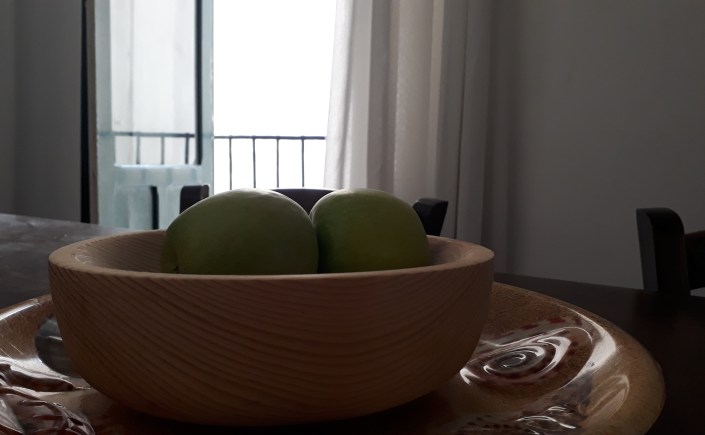
I can’t say I’ve ever spent a lot of time thinking about the term still life. I do know that at least once I had thought about the incongruity of the term though. Continue reading

John Doe, caucasian, approximately 45 years old, evidence of blunt-force trauma to the base of the skull…
Pretty familiar if you’ve been exposed to the barest minimum of American crime fiction: “John” and “Jane Doe” used to refer to an unidentified victim or suspect in a criminal case. But why these names in particular? Continue reading
 English-Language Thoughts