
Today is 11 November, Armistice Day, on which we commemorate the end of the First World War. Or, World War I. That’s how we refer to the conflict now, but it’s actually had surprisingly many names.
Armistice Day

Today is 11 November, Armistice Day, on which we commemorate the end of the First World War. Or, World War I. That’s how we refer to the conflict now, but it’s actually had surprisingly many names.

Why, just nurse, of course. But if someone asked you, you’d probably still think for a moment, wouldn’t you? Because it does feel very much like a female job in a lot of ways. And it’s still a role mostly performed by women. It’s evidence of the persistence of gender stereotypes like the idea that women are more natural caregivers.
So of course even though the word for a male nurse is still just nurse, we usually specify that someone is a male nurse. That’s not too surprising, considering how deep our associations between nursing and femininity go.

Passing through some of the suburbs of Dublin on Hallowe’en Night, I was heartened to see a few bonfires burning.
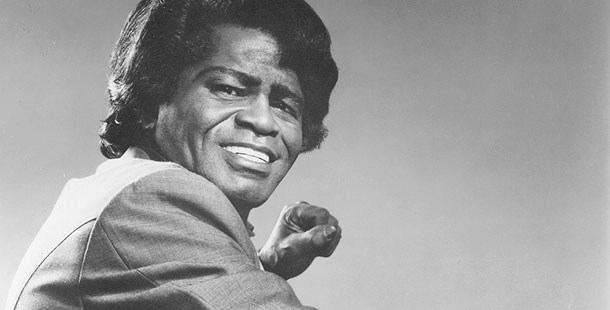
Or if you prefer, The Day of the Dead. Which is today, because confusingly, yesterday was All Saints’ Day (AKA All Hallows’ Day). Both days are quite different though.
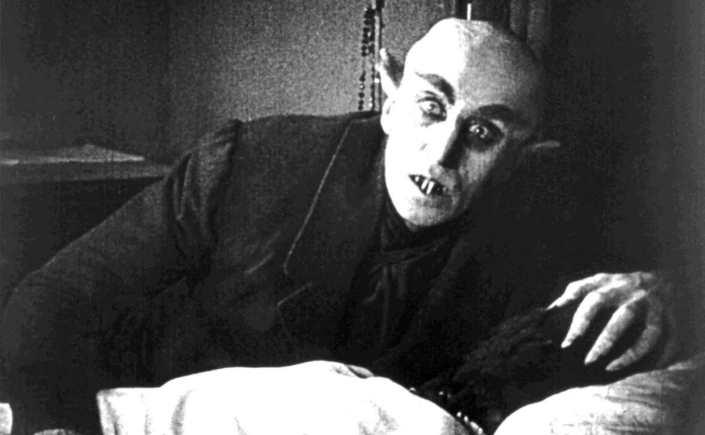
Yes, it’s Hallowe’en again! Time to have a look at an appropriately spooky word. But first, a challenge:

Have you ever noticed that riveting can have two meanings? It can mean fascinating, but also the action of fixing rivets (metal pins) to a surface (I was thinking about this recently after hearing someone talk about the riveters who worked on the Titanic). It might seem odd that it can have these two meanings, but if you think about it, it makes sense.

Then you’d better catch it!
Ha!
Isn’t it a little strange that we refer to running water?
 English-Language Thoughts