Begging the Question

Writing about the etymology of the word clock yesterday reminded me of when I wrote about the word to decimate recently, and how people are fond of citing its original meaning as being to reduce by 10%, even though that’s not true.

As I said before, I can understand people having this misconception, and I can understand the instinct to correct people. There have always been people who’ve acted this way about language, but recently I’ve noticed more and more people taking such a prescriptive approach to English.

Continue reading

The Word Clock? Now that Rings a Bell…

The word clock has quite a long history, unsurprising for such a common and simple word.

Continue reading

Taxi or Cab? 

Both are correct, regardless of whether you’re speaking British or American English. If that’s all you wanted to know, you can now go about enjoying your Sunday. But if you want to know how goats, Greek, a sign of the Zodiac, and stuffed animals fit into the equation, then please, read on.

Continue reading

A Certain Vintage

Are you into vintage clothes, or perhaps accessories? Maybe, if you can afford it, you have a vintage-car collection. The meaning of the word vintage is fairly straightforward. It basically means old, or oldfashioned, but also stylish and of good quality. It’s also an interesting, and straightforward, word in an etymological sense.

Continue reading

Tickling your Funny Bone

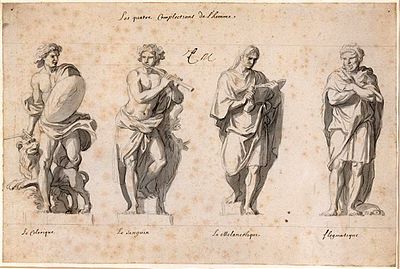
Writing about the four humours yesterday, something struck me: the word humorous isn’t really very humorous.

Continue reading

A Good Sense of Humour 

Are you in good humour at the moment? You are? Good! If I’d asked you that question a few hundred years ago though, it would’ve had a somewhat different meaning.

Continue reading

What’s for Tea?

Would you like tea? You would? Great! But please, take a seat, because this is going to get complicated.

Continue reading