Covfefe

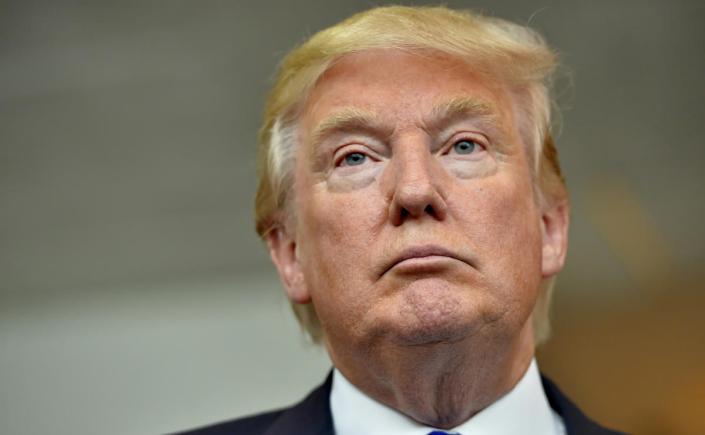
By now you might be aware of Donald Trump’s latest addition to the English language: covfefe. If you haven’t heard yet, at 12:06am Washington time last night, the President of the United States tweeted:

Despite the negative press covfefe

…and that was it! Obviously he was deliberately tantalising us with this new word he’d coined, throwing it out into the world and waiting for us to figure out its meaning based on subtle clues he’s left, while he slept soundly. Here are some of my ideas:


Continue reading

Using Apostrophes and the Future of English in Europe

English has long been fashionable to use in other languages. For teenagers and young adults, it’s the language of a lot of their pop culture, as well as being an international lingua franca, that can help one connect with people all around the world. That’s why, especially across Europe, you’ll find little bits of English peppered throughout people’s speech.

Naturally, this isn’t always going to be accurate in terms of native speakers’ usage, but that’s not so important. I’ve noticed recently though, an apparent trend in how non-native speakers use English that’s a little bit curious, because it reflects one of the ways in which native speakers make mistakes in English.

Continue reading

Liebster Award

I’m delighted to accept my nomination for the Liebster Award, and a big thank you to Maitri for nominating me. You should check out her blog for some interesting ideas about all aspects of life.

Here are the rules of the award:

Continue reading

Hip Hop and the Big Bad Wolf

Earlier week I learned something new about the English language, which isn’t something I get to say often. It was this:

Continue reading

An Orgy of Evidence

While writing yesterday’s post about future forms, I took a little time to think of useful example sentences for each form. Not as much time as I might in the classroom though because if you’re reading this you know and use these forms quite well, either through being a native speaker, or having learned to a high enough level to be able to read blogs in English. The examples therefore didn’t need to do any heavy lifting in terms of demonstrating meaning.

But of course that’s different for people who are still figuring things out, and therefore need a little more guidance. Consider the following exchange:

Continue reading

English Lessons for Experts: The Future

Having already looked at how we talk about the present and the past, let’s have a look at how we talk about the future in English. You’re probably feeling confident now: maybe you were initially surprised at the complexity of how we refer to the present and/or the past, but now you’ve got this figured out, and you can easily identify how we refer to the future. OK, well, let’s see.

Continue reading

Paradise

If you’re reading this reading this on the day it was posted, there’s a good chance that I’m in Paradise right now. Well, Pairi Daiza, to be more specific, which is the name of a zoo in Belgium. The similarities between the two words are not coincidental though.

Continue reading