
Another couple of weeks, another European leader whose name we need to figure out how to pronounce.
Puigdemont: a Pronunciation Guide
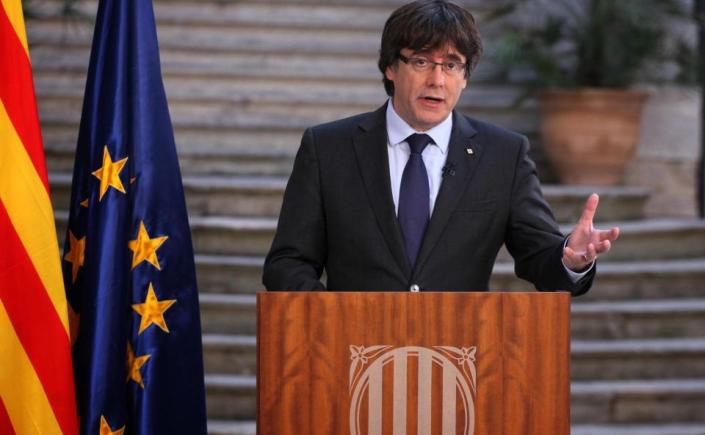
Another couple of weeks, another European leader whose name we need to figure out how to pronounce.
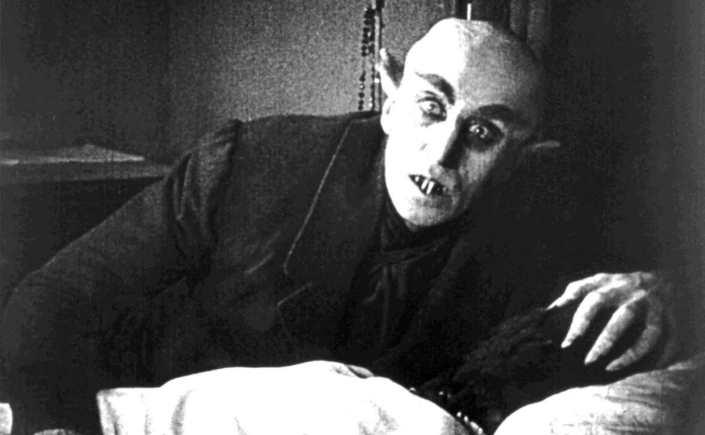
Yes, it’s Hallowe’en again! Time to have a look at an appropriately spooky word. But first, a challenge:

Can you think of an English word, not borrowed from another language, that has an accent or other diacritic? (a diacritic is simply any glyph added to a letter: see here for examples).

Have you ever noticed that riveting can have two meanings? It can mean fascinating, but also the action of fixing rivets (metal pins) to a surface (I was thinking about this recently after hearing someone talk about the riveters who worked on the Titanic). It might seem odd that it can have these two meanings, but if you think about it, it makes sense.

A pretty simple one today: this is something that many people are curious about. Both are clearly similar, but what’s the difference between them?

Then you’d better catch it!
Ha!
Isn’t it a little strange that we refer to running water?

Teaching French-speaking teenagers recently, I was momentarily surprised when they started to call me Mister. Then I remembered that in French the word monsieur can be used like sir in American English. It doesn’t need to come before a surname, like Mister in English, so most students refer to their male teachers as Monsieur, as we use Sir in English. But they of course understandably translated monsieur to mister.
We use sir to refer to a teacher in most varieties of English too, but not to refer to a man in general when we don’t know his name. It’s only really used in that way in American English.
Mister though, is used in basically the same way in every form of English, as the standard honorific for an adult male. Isn’t it curious though, that for women there are three honorifics: Miss, Ms, and Mrs?
 English-Language Thoughts