
Un non-magique, apparently.
Before I go any farther, I should explain that I’m talking about Harry Potter.

Un non-magique, apparently.
Before I go any farther, I should explain that I’m talking about Harry Potter.
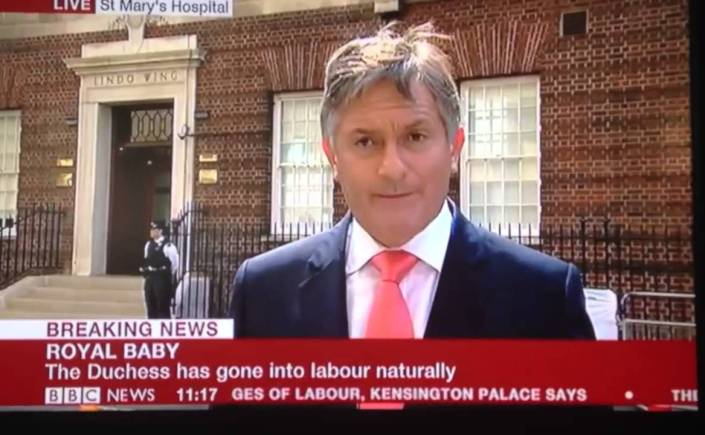
This is one of those terms that’s become so common that its original (and, after some thought, fairly obvious) meaning has become a little lost to time.

Why do we use the word quarter to refer to an area of a town or city, usually one with a large population of a certain ethnicity, nationality, or cultural identity?

You’re probably familiar with these abbreviations, used to indicate if a year took place either on or after AD 1, or before it. You probably also know that BC stands for Before Christ, as our current calendar system is based on the assumption that Jesus Christ was born in AD 1. What about AD though?
I’m looking for somewhere to stay at the moment (if you know somewhere that’s available in Galway let me know!). It’s never much fun, but I don’t mind.
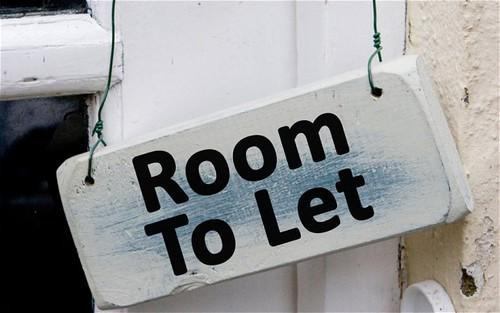
It’s got me thinking about that phrase room to let, or apartment to let. It seems a little strange, and quite different from how we usually use the word. It usually means to allow or to permit. And as I looked at previously, it’s also often used interchangeably with to leave.
Room to let though, means room to rent, which seems quite different. Looking at the word’s origins though, shows us that it’s perhaps not so strange.

When you think about it, battery can have a lot of different meanings. The most common way we use it is to refer to the cells that power so many devices like our phones.
But it can also be used to refer to physical beating (e.g. assault and battery) or a military attack like a bombardment. You can see how both of those uses share a sense of violence, specifically striking, so how is it that also use the word battery to refer to the little thing in our phones?
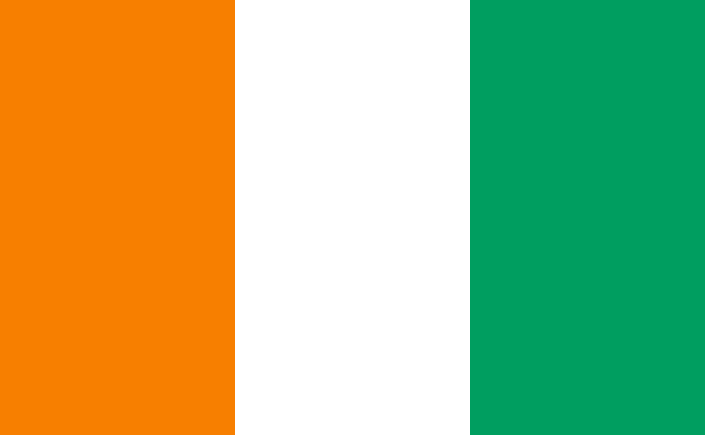
Looking at my statistics earlier, I saw that someone had visited this site today from Côte d’Ivoire (hi). Or, if you prefer, The Ivory Coast. Obviously Côte d’Ivoire is French, and The Ivory Coast is English, but you might have noticed that Côte d’Ivoire is often used in English as the name of the country, even though we usually translate names of countries into English. Why do we make an exception in the case of Côte d’Ivoire then?
 English-Language Thoughts