“How Does he Smell?” “Terrible!” or: Is it “Feel Bad” or “Feel Badly?”

Or should that be terribly? This is something that can be confusing for native speakers, and I’ve noticed recently more and more people getting into tangles with this area of language. Which ironically, I think, is due to people having more knowledge about language than before. First of all though, what aspect of language are we talking about here?

Continue reading

Quick on the Draw!

The verb to draw is quite a useful one, isn’t it? There’s the obvious meaning of draw a picture, but consider how many other ways we use it:

Continue reading

Covfefe

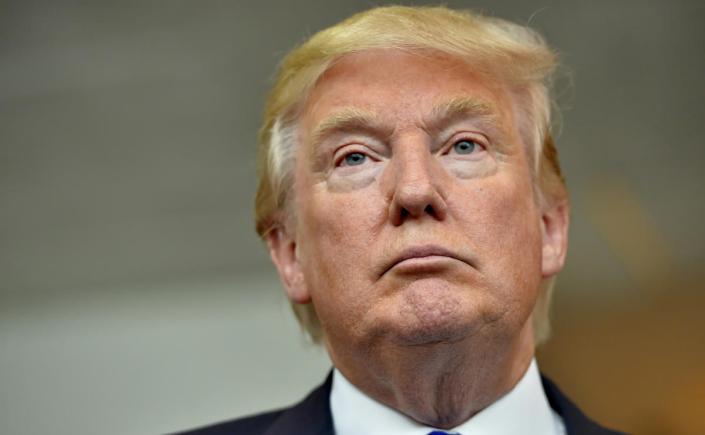
By now you might be aware of Donald Trump’s latest addition to the English language: covfefe. If you haven’t heard yet, at 12:06am Washington time last night, the President of the United States tweeted:

Despite the negative press covfefe

…and that was it! Obviously he was deliberately tantalising us with this new word he’d coined, throwing it out into the world and waiting for us to figure out its meaning based on subtle clues he’s left, while he slept soundly. Here are some of my ideas:

Continue reading

Liebster Award

I’m delighted to accept my nomination for the Liebster Award, and a big thank you to Maitri for nominating me. You should check out her blog for some interesting ideas about all aspects of life.

Here are the rules of the award:

Continue reading

Hip Hop and the Big Bad Wolf

Earlier week I learned something new about the English language, which isn’t something I get to say often. It was this:

Continue reading

English Lessons for Experts: The Future

Having already looked at how we talk about the present and the past, let’s have a look at how we talk about the future in English. You’re probably feeling confident now: maybe you were initially surprised at the complexity of how we refer to the present and/or the past, but now you’ve got this figured out, and you can easily identify how we refer to the future. OK, well, let’s see.

Continue reading

The English Language and Social Class

I’ve still been thinking about common mispronunciations since Saturday. While doing a little casual googling to confirm what I suspected about which mispronunciations annoyed people, I came across a post which featured some of the more common language errors that bedevil Americans in particular. They were all there: supposably, libary, literally, irregardless, aks et al. And I can understand why they might be annoying. If you say one thing, and someone else says another, that’s annoying. Even more so if the dictionary agrees with you. Getting annoyed is ok, but are such errors really a sign of the death of the English language?

Continue reading