
Scapegoat

An innocent person deliberately blamed for wrongdoing, usually by the guilty parties.

This always seemed like a strange word to me: why a goat? The concept originally comes from the Bible, from the Book of Leviticus, when a goat is designated to take on the sins of the people and be cast out into the desert, thus freeing the people from their sins.

The actual word scapegoat seems to have entered the English language in the 16th century, with scape deriving from escape, i.e. the scapegoat allows the guilty to escape punishment. Continue reading

Holiday

Just a quick update as it’s a Bank-Holiday weekend here in Ireland. Why are they called Bank Holidays? Quite simply, these were originally days when it was decided that banks would close and no trading could take place, though they very quickly became popular among the general population as a day of leisure. Nowadays though many shops and business remain open, banks continue to be closed.

Continue reading

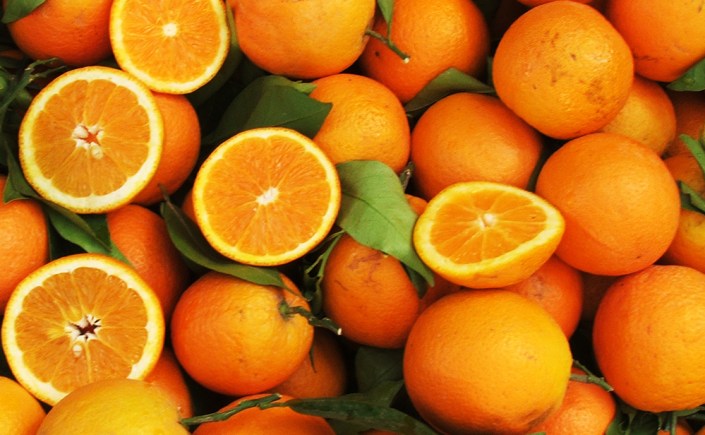
Orange is the new Norange

Orange – a versatile word, with the honour of representing both a colour and a fruit.

Which came first? The fruit, after which the colour was named. The story of how the fruit got its name is an interesting one. Most likely, the word derives from the Sanskrit नारङ्ग nāraṅga, meaning orange tree. You can still see similarities to this word in many modern languages: naranja in Spanish, for example.

Why don’t we say norange then? Continue reading

What are the Radii of those Cacti? – on Latin Loanwords

There are a lot of stadia in this city, aren’t there? Do you think there are any octopi in the sea? I’m also curious about the cacti around here: in fact, I’m interested in all the flora and fauna!

You may not find much wrong with the above. Well, hopefully you’ll think “Who on Earth would actually say that!?” But in terms of grammar and vocabulary, it wouldn’t raise too many eyebrows.

What about this though: Continue reading