
Yes, as usual, I’m a day late. I know, but it’s because I’m writing this on April Fool’s Day, and publishing it tomorrow. Which is today for you. Anyway, April Fool’s Day. What’s the story with that?
April Fool!

Yes, as usual, I’m a day late. I know, but it’s because I’m writing this on April Fool’s Day, and publishing it tomorrow. Which is today for you. Anyway, April Fool’s Day. What’s the story with that?

Dawn. It means dawn.
It comes, via a few steps, from the Proto-Germanic *austron-, meaning dawn, and also used as the name of a a goddess of fertility and the spring. The link between the spring and the dawn is clear enough: the beginning of life and activity after a period of darkness and inactivity.
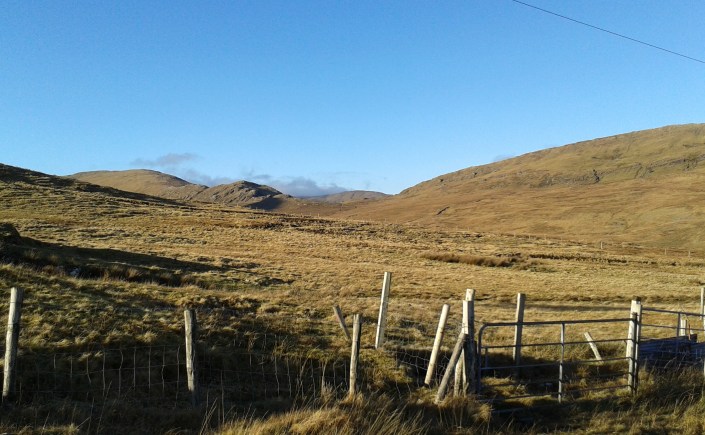
Having a time of great success or achievement.
This is a pretty common phrase in English, but what does success have to do with fields? (apart of course from the farmer who was outstanding in his field)
Well it doesn’t really have that much to do with fields.

… and they’ll take a mile. Or, how about…
Give someone a centimetre, and they’ll take a kilometre.
Only one of these is an actual phrase in English, but it doesn’t make reference to the system of measurement in use in every country except three.

You may have never thought about this before. After all, the word is so common that we now use it as a verb without anyone batting an eyelid. I’ve thought about it now and then though. Mainly because that’s what I do, but also because I remember it from my childhood.

Well, you can actually. You don’t always have to, but there’s no rule saying you can’t. But what exactly is an infinitive, and what does it mean to split one?

It’s pretty common to refer to the United States of America as simply America, or anyone or anything from the country as American. This however, can be somewhat controversial.
 English-Language Thoughts