The English Alphabet

Carrying on from yesterday’s look at the NATO phonetic alphabet, I thought today I’d spend a little time thinking about the regular English alphabet in general. It’s something we take for granted, but there are plenty of interesting things about it. Continue reading

Red Herring

A red herring is a piece of information designed to distract or mislead one. It’s most often found in murder mysteries, specifically of the whodunit variety, in which the primary interest lies in figuring out the identity of the murder. A red herring in such cases is usually an apparent clue designed to make you think that someone apart from the actual murderer is the killer. All well and good, but what does any of this have to do with herrings? Continue reading

Una Cerveza, Por Favor

Une bière, s’il vous plait.

Una birra, per favore.

It’s something we might think about before going on holiday: oh, I should learn a few phrases of the local language before I go! And sometimes we do just that: maybe get a phrasebook, or peruse the little section on useful phrases in the Lonely Planet guide a few times. Or we do a quick Google the night before or at the airport because we’d completely forgotten about it until then.

And then we arrive and there a few variations on what happens: either we forget about what we’ve learned, and rely on English and hand gestures; we think about using a few phrases but are terrified and rely on English and hand gestures; or, we use a few phrases here and there. And that can go a couple of different ways. Sometimes ending in English and hand gestures. Continue reading

Double Dutch – the History of English

If you have a spare four hours or so, have a look at all parts of this ITV documentary The Adventure of English. Or the first part of it anyway: Continue reading

“I see you took the name of the town. What was your father’s name? “

Following on from yesterday’s look at mispronunciations (and “mispronunciations”) by native speakers, I want to look specifically at how we often pronounce surnames differently, specifically surnames from other languages. I thought about this after watching The Godfather Part II recently, and noticing the way the character Senator Geary pronounces the surname Corleone*. Notice how it changes in the clip below (contains salty language!): Continue reading

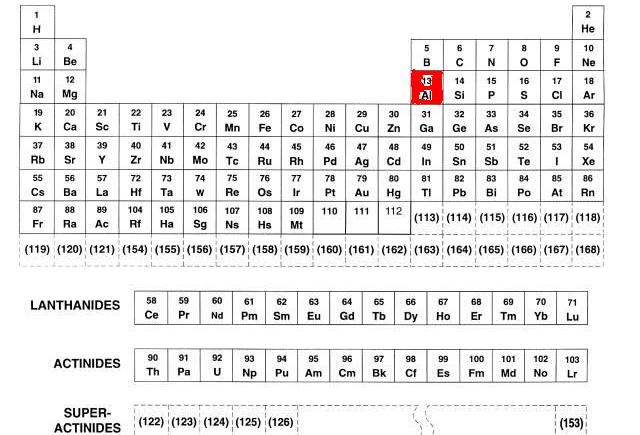
Aluminum or Aluminium?

Continuing the themes of the last two days, pronunciation and names, I want to shift focus slightly from issues with pronunciation in a second language, to those native English speakers have with their own tongue. If you search for something like “most annoying mispronunciations,” you’ll find plenty of people venting their frustration. Sometimes, it’s understandable. As I’ve mentioned before, we seem to have an inbuilt resistance to anyone using language differently from us, regardless of which one of us, if either is correct. Other times though, it says more about the person complaining. Here are some of the more common complaints: Continue reading

How do you Say That?

Pronouncing names correctly, whether they be first names or surnames, is something most of us are understandably concerned about. This is especially the case if you’re in a situation in which you’re with people with surnames which aren’t familiar to you, like being in front of a class of people learning English. It can be tricky, because other languages often have different pronunciations of letters. And, from experience, our knowledge of those differences can vary.

A common example is Spanish names with J, such as José. The classic mistake is to pronounce the J exactly as it’s normally pronounced in English, as in juice or jam. But you might know that in Spanish, it’s usually more like the letter h in English. So, being very culturally sensitive, you pronounce the J like an H, but then, it’s not exactly as simple as that, is it? It’s a little more strongly pronounced, a little throatier than in English, and the o is more emphasised. But then if we try to pronounce it exactly as a Spanish speaker would, it’s embarrassing. Why is that? Continue reading