Little Christmas

In most Christian traditions, today is the last day of Christmas. The most common name for this day is The Epiphany (meaning a moment of sudden realisation or revelation). It’s so called because it was believed to be the day that Jesus revealed his divinity, when the three magi arrived to see him.

As well as religious celebrations, the day is marked in different ways around the world. If you’re lucky enough to be Spanish or Italian, you might get extra gifts on 5th or 6th January. Despite the various traditions throughout Continental Europe though, in the UK and Ireland, we don’t do too much to celebrate the end of Christmas, unless you count taking down the tree and decorations. For most people here, the Christmas period lasts until New Year’s Day, and then life for most people goes back to normal. At least when I was a child the school holidays didn’t end until the 6th (although that changed a few years ago) and I could still enjoy the first few days of January playing with my new toys, though there was always a creeping dread as it got closer to going-back-to-school time.

In the past though, the Epiphany was quite a big deal. Continue reading
The Many Names of St. Nicholas

Who’s going to be coming down your chimney tomorrow night, sack of gifts in tow? Santa Claus? Santy? St. Nick? Or perhaps Father Christmas?

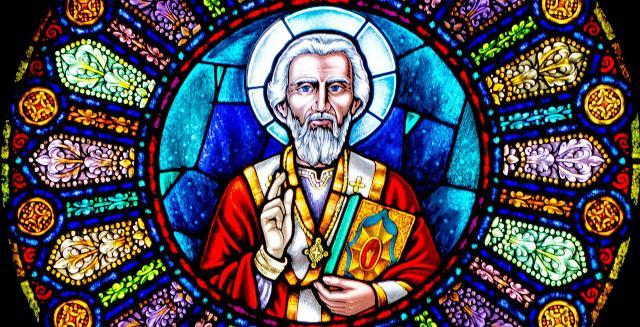
The most common name for the chap is of course Santa Claus, which comes from the Dutch Sinterklaas, in turn derived from St. Nicholas. A Greek bishop working in Asia Minor (modern-day Turkey), he became famous for a secret habit of gift-giving. Also, because of the many miracles associated with him, he also became known as Nikolaos the Wonderworker, and it’s a shame that name hasn’t remained popular. Continue reading

Fata Morgana

I came across this word today while I was online. I’m not sure how I got to it, as my wanderings around the internet can be quite aimless, but something brought me to a list of Werner Herzog films, and seeing mention of his 1971 film reminded me of the term.

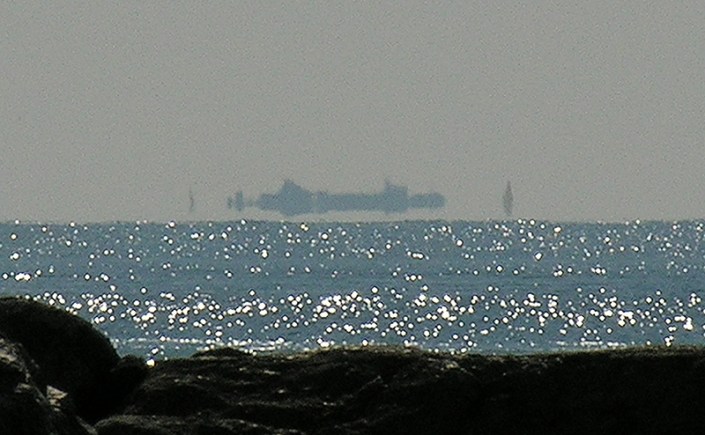
If you’re not familiar with it, it’s simply a fancy way to refer to a mirage. More specifically, it was originally used to refer to a specific type of mirage which can often be observed in the Straits of Messina between Sicily and mainland Italy. The name is the Italian translation of Morgan Le Fay, sorceress/witch/fairy half-sister of King Arthur in British legend. The effect was so named because people believed that the illusions they saw were her castle in the sky. And looking at this recent example from China, you can understand that: Continue reading