
What makes a house a home?
I’m sure you all have very different and interesting answers to that question.
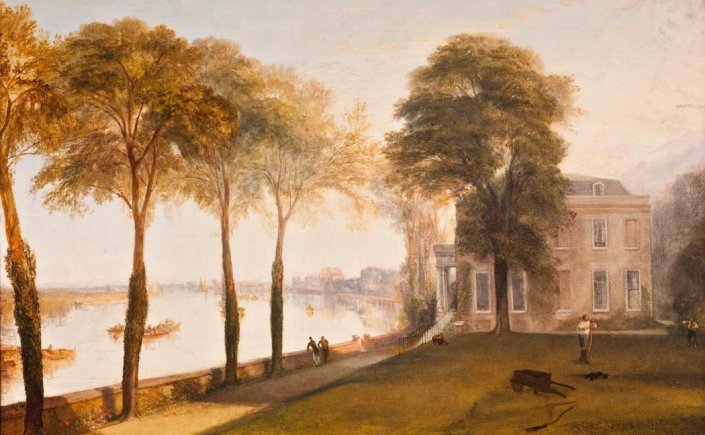
What makes a house a home?
I’m sure you all have very different and interesting answers to that question.

Yesterday I used the word peoples in my post. Quite deliberately, of course, but it’s also quite common for English learners to mistakenly use the word.

Why do we say, mainly in American English, that someone’s green if they’re inexperiened or naïve?
It’s actually quite simple really: it’s because they’re fresh and new, like new green plants growing in the spring. Still, there could be many other adjectives we could use instead of green in this case. I think there’s a particular significance to the way we use green here. Perhaps more than other colours, green has a greater significance than just its surface detail.

… whatever will be, will be.
You might know the song. And you might know the language the title is in. Or you might think you might know…

Just double checking I spelled that correctly. After looking at panthers yesterday, I began thinking about other interesting animal names. One you might know is hippopotamus.
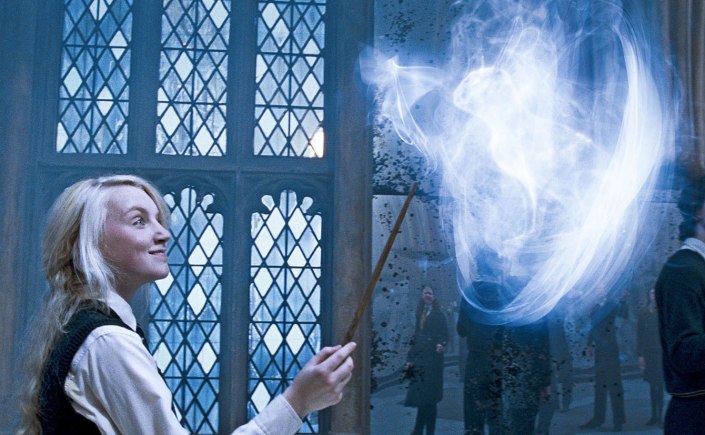
At some point in the last few days I was writing about spelling, and a thought recurred to me: is it a coincidence that the verb to spell (as in, How do you spell that word?), and the noun spell (as in magic spell) are identical?
This time I’ve decided to pursue this line of inquiry, and the answer is basically: No, it’s not just a coincidence!
 English-Language Thoughts