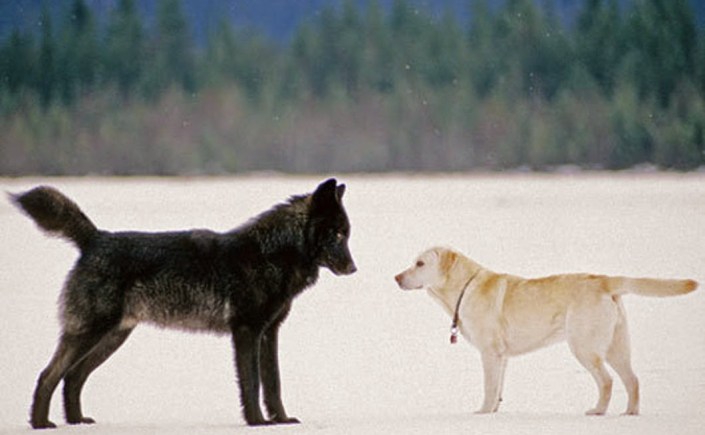
On the Origin of Species

What’s the singular form of the word species? Let’s say for example, that I want to say the following:

There are many different species of snake around the world.

That’s OK, I’m referring to multiple species so of course it has to be plural. But what if I want to be more specific, and say something like:
Continue reading

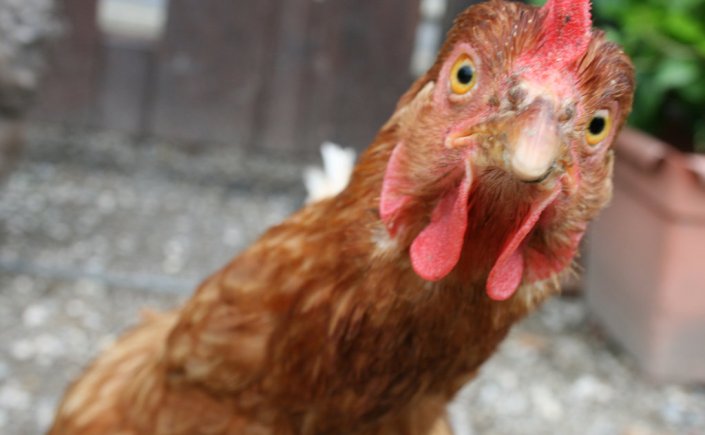
When is a Chicken a Kitchen?

Well, never, of course. But these two words are quite often confused by English-language learners. It makes sense really. The two words obviously sound similar, and that’s particularly true for speakers of languages which don’t make such a distinction between the ch (/ʧ/) and k (/k/) sounds. And of course it’s logical to create an association between the two things: where else are you going to keep your chicken?

Continue reading

Avoiding Getting into Habits as a Teacher

We all get into routines, often continuing with them long after we’ve realised any original context for them has disappeared. Teachers for some reason seem to be a little more prone to getting into bad habits than other people.

Continue reading

It’s all Relative

Ok, I told you yesterday that there was one more use of commas I’d save till today. Have a look at the sentences below, and tell me which of the two people quoted has only one brother:

My brother who works in the bank visited today.

My brother, who works in the bank, visited today.

If you said the second person only has one brother, you’re correct! But how did you know?

Continue reading

How to Use Commas

This is something lots of people wonder. This is something I wonder sometimes, because commas can be quite complicated, and the rules about using them very specific. So if you’re not too concerned about how to use them, let me just say this:

If you use them in writing where you’d pause when speaking, you’ll probably be fine. In a very basic way, they provide a pause for a reader, just as we give ourselves regular pauses when we speak.

But if you want to know a little more, read on…

Continue reading

Why don’t we usually Pronounce the Letter B after an M?

Good question, I’m very glad you asked. There are about ten words in English that end in –mb, but have a silent B. Off the top of my head, I can think of:

  • Bomb
  • Thumb
  • Lamb
  • Plumb
  • Limb
  • Tomb
  • Womb
  • Climb
  • Dumb
  • Jamb
  • Comb
  • Crumb

As you can see, it’s a fairly common phenomenon, but what’s the story behind it?

Continue reading

I’ll Learn you Good!

Isn’t that just the classic signifier or a stupid, or at least uneducated, person? How could they possibly confuse these two antonyms? And of course this mistake is especially ironic as it’s related to education and learning. However, if you’re the type of person who likes to make themselves feel smarter by noting how people make this mistake but you don’t, perhaps you need to rethink how wrong these people actually are.

Continue reading