
The verb to draw is quite a useful one, isn’t it? There’s the obvious meaning of draw a picture, but consider how many other ways we use it:
Quick on the Draw!
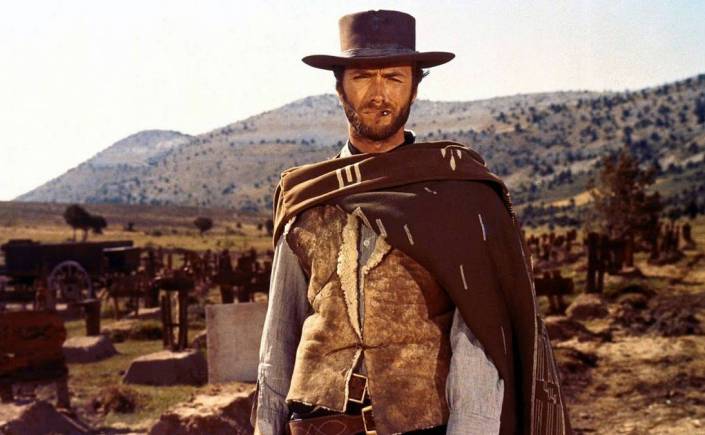
The verb to draw is quite a useful one, isn’t it? There’s the obvious meaning of draw a picture, but consider how many other ways we use it:

English has long been fashionable to use in other languages. For teenagers and young adults, it’s the language of a lot of their pop culture, as well as being an international lingua franca, that can help one connect with people all around the world. That’s why, especially across Europe, you’ll find little bits of English peppered throughout people’s speech.
Naturally, this isn’t always going to be accurate in terms of native speakers’ usage, but that’s not so important. I’ve noticed recently though, an apparent trend in how non-native speakers use English that’s a little bit curious, because it reflects one of the ways in which native speakers make mistakes in English.

I’m delighted to accept my nomination for the Liebster Award, and a big thank you to Maitri for nominating me. You should check out her blog for some interesting ideas about all aspects of life.
Here are the rules of the award:

While writing yesterday’s post about future forms, I took a little time to think of useful example sentences for each form. Not as much time as I might in the classroom though because if you’re reading this you know and use these forms quite well, either through being a native speaker, or having learned to a high enough level to be able to read blogs in English. The examples therefore didn’t need to do any heavy lifting in terms of demonstrating meaning.
But of course that’s different for people who are still figuring things out, and therefore need a little more guidance. Consider the following exchange:
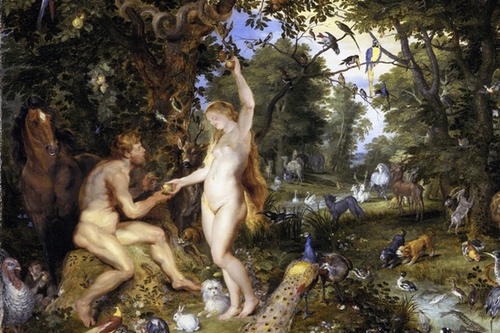
If you’re reading this reading this on the day it was posted, there’s a good chance that I’m in Paradise right now. Well, Pairi Daiza, to be more specific, which is the name of a zoo in Belgium. The similarities between the two words are not coincidental though.

You might be aware that the classic early 90s TV programme Twin Peaks is returning tonight. In an era of so many different viewing choices, in terms of both content and medium, it’s hard to imagine how much it was talked about when it first aired. Even though I was only six at the time, I still remember everybody talking about it, and have never forgotten the image of a bloody and battered Ronette Pulaski walking along the train tracks.

I can still clearly remember watching an old episode of Friends when I was much younger, which featured a scene in which Chandler explained that he had dumped a girlfriend because she pronounced supposedly as supposably. I immediately had a moment of panic until I reassured myself that I had been pronouncing the word correctly. I had doubted myself for a second because supposably actually sounds quite natural, and I could easily imagine pronouncing it that way without really thinking about it.
 English-Language Thoughts