
The verb to draw is quite a useful one, isn’t it? There’s the obvious meaning of draw a picture, but consider how many other ways we use it:
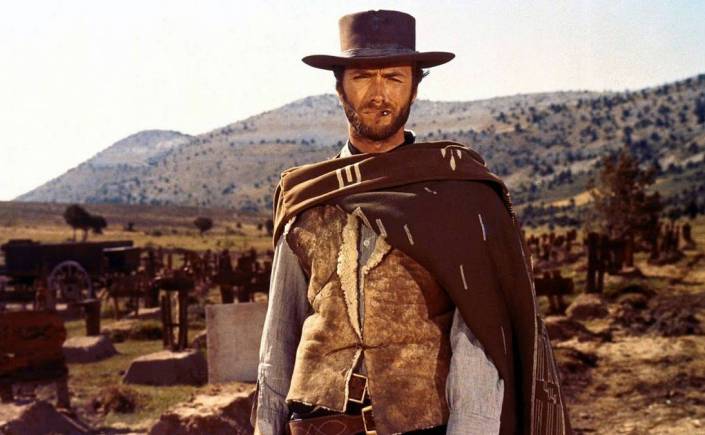
Quick on the Draw!
The verb to draw is quite a useful one, isn’t it? There’s the obvious meaning of draw a picture, but consider how many other ways we use it:

Elbow grease. This is a term that’s long bugged me. It never really seemed logical. How exactly could it relate to hard work or effort? The grease I can kind of understand as a metaphor, because it could make a job easier if it involved moving stubborn parts. But why elbow?

… and says Ow!
It was an iron bar!
HA!
Sorry, I do love a good bad joke. But seriously, isn’t it interesting that this joke only works because we use the same word for two very different things? And if you think about it, the word bar has a lot of uses.

A red herring is a piece of information designed to distract or mislead one. It’s most often found in murder mysteries, specifically of the whodunit variety, in which the primary interest lies in figuring out the identity of the murder. A red herring in such cases is usually an apparent clue designed to make you think that someone apart from the actual murderer is the killer. All well and good, but what does any of this have to do with herrings? Continue reading

This is something that hopefully you’re already aware of. If not, let me perform a public service by informing you of the following:
Flammable and inflammable both mean the same thing. And just to make it absolutely clear, something described as flammable/inflammable can burn easily. This has long been held up as an example of the confusing nature of English, but it’s also particularly noteworthy in that it could have a serious practical effect on someone’s life. How easily might someone assume that something inflammable is safe to use around fire, and end up setting it alight? Why then, when the word is so obviously confusing, do we have it at all? Or, why does it not mean can’t be set alight? Continue reading
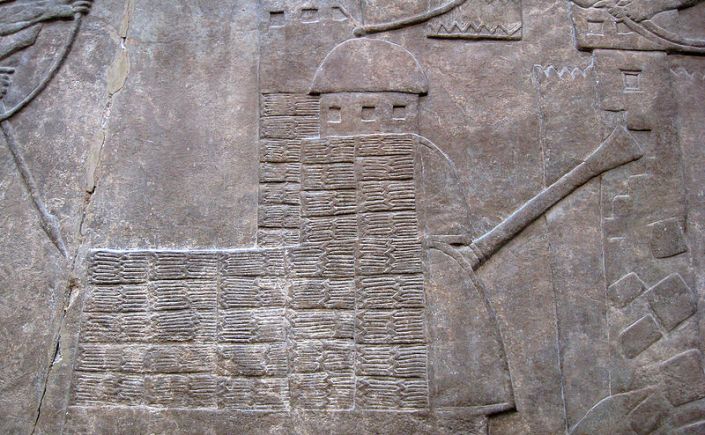
Have you ever had those moments when you realise the etymology of a word you’d never thought about before? I had a good one recently, while visiting Fort-la-Latte in Brittany. Outside the main gate, there was a replica medieval battering ram, with the tip in the shape of a ram’s head (a ram being a male sheep). As soon as I saw it, the lightbulb went off: ram! Continue reading

Why does the name Jack features in so many words and phrases? Continue reading
 English-Language Thoughts