Learning English with Yoda

…is not a good idea. But let’s see what we can do. Even if you’re not a big Star Wars fan (I quite like the original three and Rogue One, though I first saw the originals when I was 14, slightly too old for them to really have a nostalgic hold on me. The Force Awakens, the first new Star Wars film in 32 years, is OK, but a bit derivative), you probably know Yoda.

Continue reading

I Recognise You…

Yesterday, Donald Trump recognised (or recognized, if you prefer) Jerusalem as the capital of Israel. Don’t worry, I’m not going to get political this time. There’s nothing I can add to the numerous international condemnations of this move anyway. Once I’d finished shaking my head and sighing with resignation, I began to think about how apparently strange it is to use the verb to recognise in this way.

Continue reading

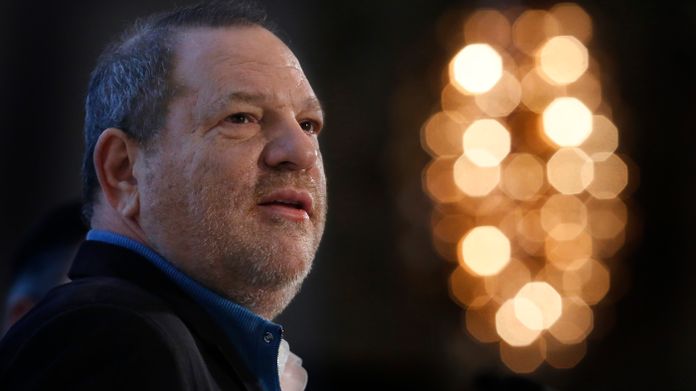
Harvey Weinstein: Doesn’t Sound Right to Me

Obviously there’s been a lot of reports of sexual harassment lately, largely because of the initial reports about Harvey Weinstein.

I don’t really have anything to add to everything that’s already been said and written. I am curious about that name Weinstein though.

Continue reading

An Historic Occasion or A Historic Occasion?

I’ll tell you before the end, I promise (I bet he just says that both are correct, he always does). But you can see already, can’t you, how the letter H isn’t so simple even for native speakers.

In fact, it can be quite a controversial letter, sparking more arguments than perhaps any other.

Continue reading

What’s Good for the Goose…

…is good for the gander.

A gander of course, being a male goose. And what’s the term for a female goose?

Continue reading

How’s Trix?

Continuing a vague theme about gender in language, I want to look a little at the few gendered words we have in English.

I mentioned recently that actor/actress is still a distinction we often make. There’s waiter/waitress too. And that’s basically it.

There are some specifically female forms that have relatively recently fallen out of favour. Stewardess and manageress, for example. Generally though, we’ve been content to use gender-neutral terms.

Continue reading

Armistice Day

Today is 11 November, Armistice Day, on which we commemorate the end of the First World War. Or, World War I. That’s how we refer to the conflict now, but it’s actually had surprisingly many names.

Continue reading