
I hope today finds you well.
Yesterday I mentioned that well is quite a common filler in English, used to give us a moment to think, or even for no particular reason at all. After I finished writing, I asked myself, Why well?

I hope today finds you well.
Yesterday I mentioned that well is quite a common filler in English, used to give us a moment to think, or even for no particular reason at all. After I finished writing, I asked myself, Why well?
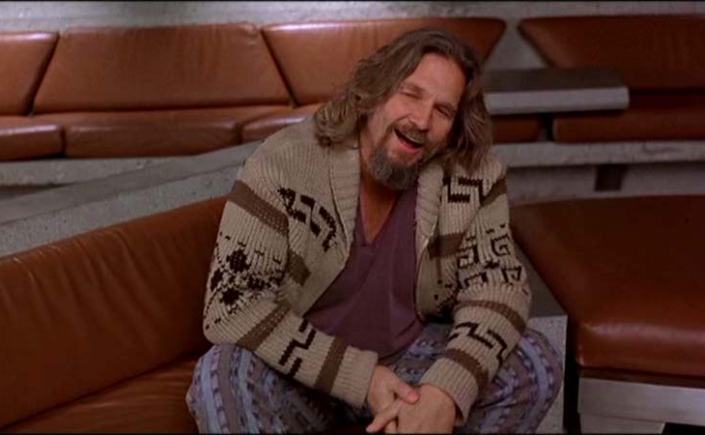
In many ways, like is one of the most, well, disliked words in the English language. There are few words which are more synonymous with the perceived decline in ability to use English effectively among native speakers. How better to imitate lazy, inarticulate teenager than by peppering your speech with a few like‘s?
However, I have to ask: is like really so bad?

I passed a poster for an event called Pandemonium this morning (I’m not sure what the event was, so I guess it’s not a very effective poster). That’s not a word I’ve given much attention to in the past, I thought, but looking at it now, does it mean what I think it means?

Stokers, that’s what. Let me explain…

I was thinking about the word forearm yesterday, as I’m sure most of us do in our more pensive moments on a Tuesday evening. I thought about how easy it is to figure out its meaning by looking at the makeup of the word. Fore means front or forward (fore+ward), as we can see in words and phrases like at the forefront, foremost, to the fore, and forehead. And arm means arm.
And then I considered that the word before must also be related to these words. But that didn’t feel quite right… Continue reading

A duck is an aquatic animal, found in freshwater environments around the world.
I probably haven’t blown your mind by telling you that. Nor, I’m sure, will I do so by telling you that to duck is a verb meaning to quickly dip your head. I may, however, surprise you slightly by telling you which word came first.
This is kind of a companion piece to yesterday’s post, being about obscure words none of us really use.
I’ve seen a lot of lists on social media and various websites about obscure words people need to be made aware of, or obsolete words which need to be brought back. For example, here’s a story I came across this morning on the BBC Culture website: Twenty-six words we don’t want to lose.
Here’s the full list of words from the article; see if you guess what one of my issues with the list might be:
 English-Language Thoughts