Parking in the Zoning

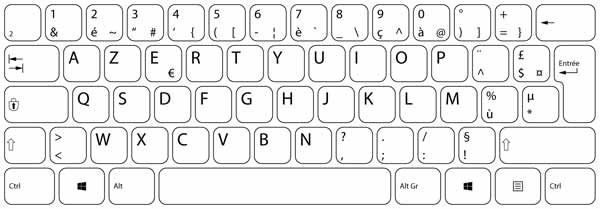
I mentioned yesterday that I wanted to write about English words which are used in French in a slightly different way to how we use them. And this morning I thought, as I’m still using an AZERTY keyboard, I might as well do that today.

I’ve already written about some English words that are used in French, but today I want to focus on three that are a strange combination of seeming logical yet slightly odd to an English speaker’s ear. I should also state that I’m not criticising or mocking French speakers for using these words. Their use makes enough sense for non-native speakers, and once a word enters another language it doesn’t have to follow the rules of its original language. Anyway, the three words are:

Continue reading

What’s for Tea?

Would you like tea? You would? Great! But please, take a seat, because this is going to get complicated.

Continue reading

Guns N’ Roses

Mentioning Guns N’ Roses yesterday, I realised something: their use of punctuation in their name is perhaps not strictly correct!

Continue reading

Live and Let Die

The song “Live and Let Die” came on the radio this morning, and it made me think: is this phrase now better-known than the original phrase (live and let live) that it references?

Continue reading

From QWERTY to AZERTY

I left my laptop in to be repaired today, which was a pretty smooth operation until I realised I don’t know the French word for hinges. All this means that I’m currently typing this on an AZERTY keyboard.

Continue reading

Blond on Blonde

You may have noticed yesterday, that I wrote the following, ungainly looking thing:

blond(e)

Why put the E inside parentheses, some of you might have furiously asked? Or perhaps you slammed your fist on the table and angrily wondered why I even bothered including the E at all. Well, as always, I had my reasons, because blond and blonde are in fact two distinct words.

Continue reading

Pretty, Pretty, Pretty Good

Adjective:

(of a person, especially a woman or child) attractive in a delicate way without being truly beautiful.

‘a pretty little girl with an engaging grin’

Adverb:

To a moderately high degree; fairly.

‘he looked pretty fit for his age’

‘it was a pretty bad injury’

Pretty is, well, a pretty interesting word. The definition that immediately comes to mind for you is probably the first one above. What really interests me about this definition is that last part: without being truly beautiful. Pretty is certainly a less powerful word than beautiful. Because of that it, like nice, feels almost like an insult to use it to describe someone. Sure, it’s technically a positive word, but when you’ve got so many other adjectives you can use, calling someone pretty feels like a deliberate choice to not use something more unambiguously complimentary.

Continue reading