
Writing about the accents I hear in my head while reading yesterday made me think about another recent case of some literary American/British English differences. Continue reading
He Must Mean Trunk

Writing about the accents I hear in my head while reading yesterday made me think about another recent case of some literary American/British English differences. Continue reading

I know this one! I hear you say. -ise is British English, and -ize is American English. That’s it, isn’t it?
Basically yes, but also no, not really. Continue reading

To writhe (verb): to twist, wring, or contort (a part of the body)
From the Proto-Germanic *wrīþaną, meaning twist or turn. Continue reading

Isn’t it great to have a nice little space on the internet where you can avoid all the petty nastiness of current politics, especially all the horrid news that keeps coming from the White House? A place where you can forget about all that, and think about language, without hearing about Donald Trump and his cronies?
By the way, did you see what Melania Trump was wearing today?
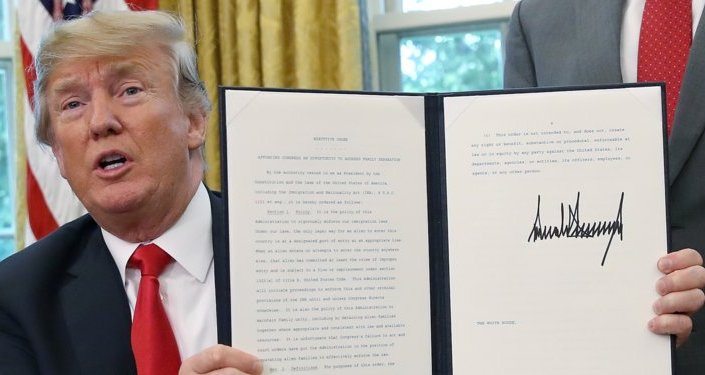
This is a term you might have heard in the news recently, particularly in relation to, sigh… yes, Donald Trump. Continue reading
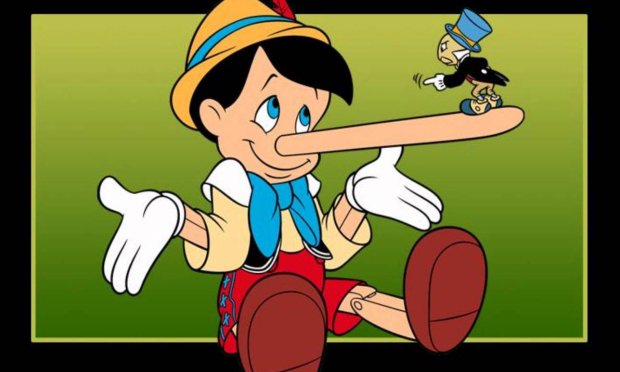
Lying is bad. Except when you’re tired, and need to go to bed, in which case, it’s good. Continue reading

This isn’t something I’ve ever really wondered. For a native English speaker, which one to use is rarely in doubt. Sure some regional dialects might use is and are in non-standard ways, but if asked, most speakers of these dialects would know the “proper” form of the verb to be to use.
Which is why I was surprised to see the following headline on the BBC website: Continue reading
 English-Language Thoughts