Ill-Starred

The stars have always been important to us. When our first ancestors first noticed that those strange lights in the sky moved gradually over time, they tried to find explanations for this phenomenon. Perhaps these movements were linked to seasonal changes, and unpredictable, calamitous events. Perhaps they were gods, or great creatures like bears and crabs, manipulating events here on Earth. Continue reading

Lost in Translation

While browsing through Netflix en français the other day, I saw the thumbnail for the BBC drama Call the Midwife. I was about to continue browsing when I noticed the French title:

SOS sages-femmes.

This struck me a  bit odd. Sure, une sage-femme is the French word for midwife (and quite a cool word too, literally meaning wise woman), but the SOS? In a period drama mixing light soap opera and social-realist representations of the difficulties of working-class East-End London life in the 1950s, it seems out of place. It’s too flippant, making me think of a children’s programme like Paw Patrol. Except with midwives on bicycles instead of puppies, and back-alley abortionists instead of whatever the puppies have to deal with (I’ve never seen Paw Patrol). So while in a literal sense, the title gets the content of the programme across, it doesn’t convey a sense of its tone at all. I appreciate that retitling TV shows and movies from English can be difficult, with titles often being clever plays on words that can’t easily be translated. But in this case, the title is simple and without subtext, so a direct translation (Appelez La Sage-Femme, which was the French title for the book the programme’s based on) would have worked fine. But clearly someone felt it needed to be jazzed up a bit, though I don’t know why they didn’t go all-in and add an exclamation mark at the end.

There are two general approaches to translating a title: Continue reading

“Boy, those Germans have a word for everything!”

I’ve often written about how modern English owes so much to old Germanic languages. These connections aren’t always evident though. Words evolve over time and drift away from their origins. Plus, a lot of what English gained from these languages and proto-languages is not easy to see on the surface. Syntax, grammar, and compound-noun formation are not as easy to recognise as individual words. Which is why Latin-based languages can seem superficially more similar to English, with many words sharing similar etymologies to English ones (though the English ones tend to be more formal).

The result of this is that there don’t appear to be too many words shared between modern German and English. There are a few however, and in honour of English’s origins in Germanic languages, I’m going to look at the German words that we use in English: Continue reading

Craft

via Daily Prompt: Craft

Craft is a word that has long been a noun and a verb. One worked on one’s craft, and a craftsman crafts various objects. In recent years though, it has become commonly used as an adjective, particularly to refer to craft beer. Whatever your feelings about craft beer (either pretentious, over-priced, bitter stuff, or refreshing, lovingly-crafted independent alternative to the big breweries’ fare), it’s hard to deny that it’s become quite popular. And now it’s quite common to find many other craft food and drinks.

Why have craft food and drinks taken off so? Continue reading

A Little Schooling

What school did you go to?

This always seemed like a straightforward question to me, and that’s still mostly true. After asking, Do you mean primary or secondary school? if it wasn’t not clear from the context, I’d then answer. But as I watched more television as a child, my certainty of the meaning of the word school wavered somewhat. Here’s my previously-secure conception of the stages of education: Continue reading

“I see you took the name of the town. What was your father’s name? “

Following on from yesterday’s look at mispronunciations (and “mispronunciations”) by native speakers, I want to look specifically at how we often pronounce surnames differently, specifically surnames from other languages. I thought about this after watching The Godfather Part II recently, and noticing the way the character Senator Geary pronounces the surname Corleone*. Notice how it changes in the clip below (contains salty language!): Continue reading

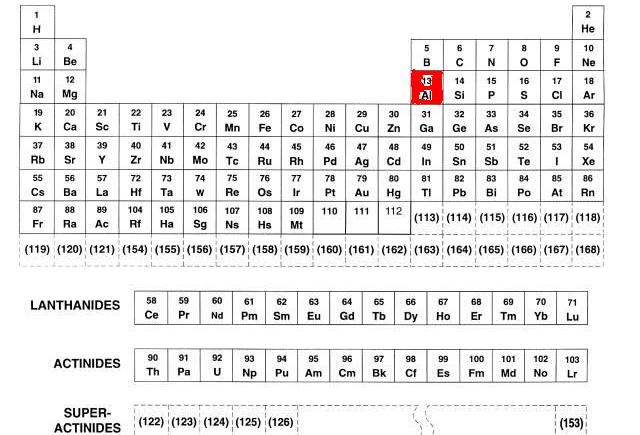
Aluminum or Aluminium?

Continuing the themes of the last two days, pronunciation and names, I want to shift focus slightly from issues with pronunciation in a second language, to those native English speakers have with their own tongue. If you search for something like “most annoying mispronunciations,” you’ll find plenty of people venting their frustration. Sometimes, it’s understandable. As I’ve mentioned before, we seem to have an inbuilt resistance to anyone using language differently from us, regardless of which one of us, if either is correct. Other times though, it says more about the person complaining. Here are some of the more common complaints: Continue reading