Chicken – The People’s Food

Cow – Beef

Calf – Veal

Pig – Pork

Deer – Venison

Sheep – Mutton

Chicken – Chicken

Not hard to spot the odd one out, eh? Forgetting about chicken for a moment, have you ever noticed that in English, we have special names for the most-commonly consumed meats, separate from the names of the animals themselves? Continue reading

Double Dutch – the History of English

If you have a spare four hours or so, have a look at all parts of this ITV documentary The Adventure of English. Or the first part of it anyway: Continue reading

Film or Movie?

Do you want to catch a movie? Or maybe you’d prefer to watch a nice film? Of course they’re the same thing, objectively, but they’re not really the same, are they?

Strictly both movie and film are synonyms, but in reality, the word film has a much greater sense of sophistication than movie. Why is that? Continue reading

Lost in Translation

While browsing through Netflix en français the other day, I saw the thumbnail for the BBC drama Call the Midwife. I was about to continue browsing when I noticed the French title:

SOS sages-femmes.

This struck me a  bit odd. Sure, une sage-femme is the French word for midwife (and quite a cool word too, literally meaning wise woman), but the SOS? In a period drama mixing light soap opera and social-realist representations of the difficulties of working-class East-End London life in the 1950s, it seems out of place. It’s too flippant, making me think of a children’s programme like Paw Patrol. Except with midwives on bicycles instead of puppies, and back-alley abortionists instead of whatever the puppies have to deal with (I’ve never seen Paw Patrol). So while in a literal sense, the title gets the content of the programme across, it doesn’t convey a sense of its tone at all. I appreciate that retitling TV shows and movies from English can be difficult, with titles often being clever plays on words that can’t easily be translated. But in this case, the title is simple and without subtext, so a direct translation (Appelez La Sage-Femme, which was the French title for the book the programme’s based on) would have worked fine. But clearly someone felt it needed to be jazzed up a bit, though I don’t know why they didn’t go all-in and add an exclamation mark at the end.

There are two general approaches to translating a title: Continue reading

Aluminum or Aluminium?

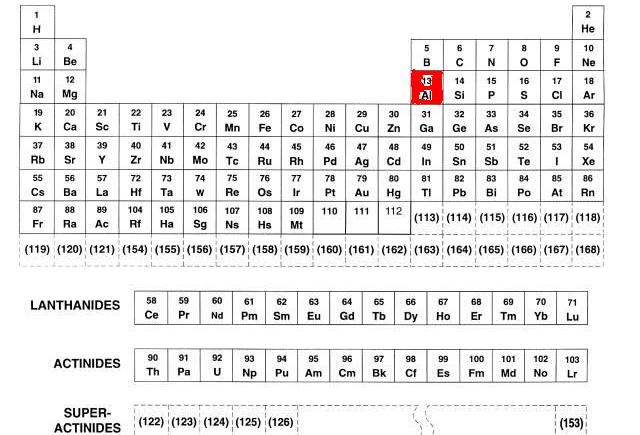
Continuing the themes of the last two days, pronunciation and names, I want to shift focus slightly from issues with pronunciation in a second language, to those native English speakers have with their own tongue. If you search for something like “most annoying mispronunciations,” you’ll find plenty of people venting their frustration. Sometimes, it’s understandable. As I’ve mentioned before, we seem to have an inbuilt resistance to anyone using language differently from us, regardless of which one of us, if either is correct. Other times though, it says more about the person complaining. Here are some of the more common complaints: Continue reading

How do you Say That?

Pronouncing names correctly, whether they be first names or surnames, is something most of us are understandably concerned about. This is especially the case if you’re in a situation in which you’re with people with surnames which aren’t familiar to you, like being in front of a class of people learning English. It can be tricky, because other languages often have different pronunciations of letters. And, from experience, our knowledge of those differences can vary.

A common example is Spanish names with J, such as José. The classic mistake is to pronounce the J exactly as it’s normally pronounced in English, as in juice or jam. But you might know that in Spanish, it’s usually more like the letter h in English. So, being very culturally sensitive, you pronounce the J like an H, but then, it’s not exactly as simple as that, is it? It’s a little more strongly pronounced, a little throatier than in English, and the o is more emphasised. But then if we try to pronounce it exactly as a Spanish speaker would, it’s embarrassing. Why is that? Continue reading

What’s Your Name?

What’s your name?

Not a particularly difficult question, generally speaking. In English, when we say name, we usually mean a person’s given, or first, name. Things can be a little more confusing when you have to switch to dealing with French though. I’m currently living in Belgium, and routinely get momentarily confused by forms which ask first for nom, and then prénom. My instinct is to write my first name in the space for nom, until I remember that in French, nom means surname, and prénom means first name. Continue reading