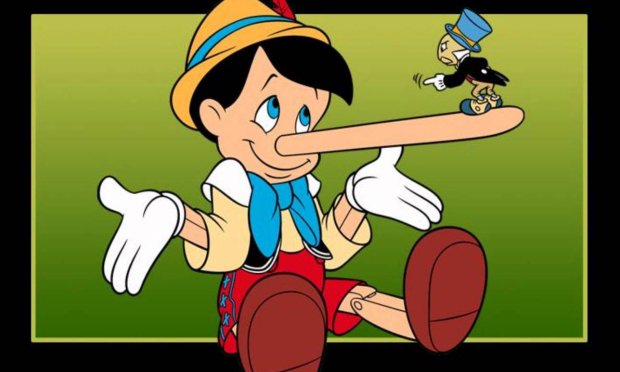
Whose Gloomy Dong?

We’ve all asked ourselves that at some point, I’m sure.

I’m happy to say I’m back from my little trip to Rome and Naples, and though I switched my brain off as much as possible, I couldn’t help seeing a little inspiration here and there.

Oh, you might say excitedly, he’s probably been thinking about the etymologies of some famous Roman emperor’s names, or about how we still use words related to the Roman Empire with reverance. I bet he’s done some research on the word pontiff after visiting the Vatican. Two such great cities are sure to provide anyone inclined to write on any subject with an abundance of ideas!

So anyway, the gloomy dong. Continue reading

Citizen and Subject

While writing about the word citizen, via denizen recently, I naturally thought of the word citizen in contrast to subject. Naturally, when describing people, they’re quite different. Continue reading

ise or ize?

I know this one! I hear you say. -ise is British English, and -ize is American English. That’s it, isn’t it?

Basically yes, but also no, not really. Continue reading

I Really don’t Care, do U?

Isn’t it great to have a nice little space on the internet where you can avoid all the petty nastiness of current politics, especially all the horrid news that keeps coming from the White House? A place where you can forget about all that, and think about language, without hearing about Donald Trump and his cronies?

By the way, did you see what Melania Trump was wearing today?

Continue reading

Lie or Lie?

Lying is bad. Except when you’re tired, and need to go to bed, in which case, it’s good. Continue reading

There is or There are?

This isn’t something I’ve ever really wondered. For a native English speaker, which one to use is rarely in doubt. Sure some regional dialects might use is and are in non-standard ways, but if asked, most speakers of these dialects would know the “proper” form of the verb to be to use.

Which is why I was surprised to see the following headline on the BBC website: Continue reading

Calque or Loanword?

Reading about Anglish yesterday, I realised that one of the most useful methods for proponents of this form of English is creating calques.

What’s a calque, I hear you ask?

Continue reading