
Yes, as usual, I’m a day late. I know, but it’s because I’m writing this on April Fool’s Day, and publishing it tomorrow. Which is today for you. Anyway, April Fool’s Day. What’s the story with that?
April Fool!

Yes, as usual, I’m a day late. I know, but it’s because I’m writing this on April Fool’s Day, and publishing it tomorrow. Which is today for you. Anyway, April Fool’s Day. What’s the story with that?

Dawn. It means dawn.
It comes, via a few steps, from the Proto-Germanic *austron-, meaning dawn, and also used as the name of a a goddess of fertility and the spring. The link between the spring and the dawn is clear enough: the beginning of life and activity after a period of darkness and inactivity.
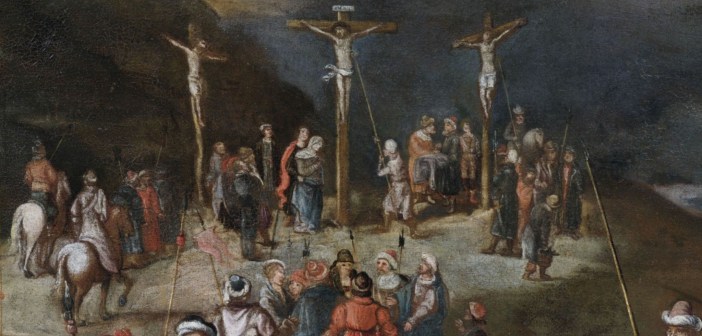
Today was Good Friday for Christians, the day on which Jesus Christ was crucified and died. What’s so good about it then?
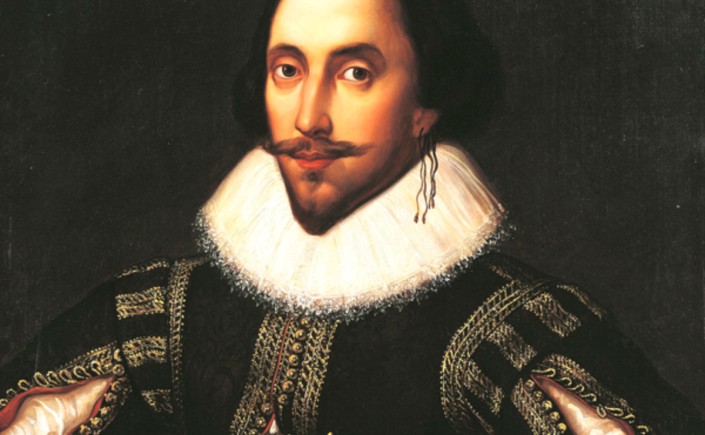
It’s funny. I’ve thought a lot about what words mean, particularly names. Even more particularly, names which are clearly interesting or unusual. And I’ve thought a lot about William Shakespeare. But I’ve never thought about his surname before.

When I was young, I was often curious when characters on American TV would occasionally mention cursive. I could never figure out what they meant, and it was mentioned rarely enough that I never really got enough context to figure it out. It also sounded quite strange as it sounded so much like the word curse (and a joke in a classic Simpsons episode is based on this resemblance).

… and they’ll take a mile. Or, how about…
Give someone a centimetre, and they’ll take a kilometre.
Only one of these is an actual phrase in English, but it doesn’t make reference to the system of measurement in use in every country except three.

Well, you can actually. You don’t always have to, but there’s no rule saying you can’t. But what exactly is an infinitive, and what does it mean to split one?
 English-Language Thoughts