
A pretty straightforward question generally, but one with a surprisingly complex range of possible answers.
What Time is it?
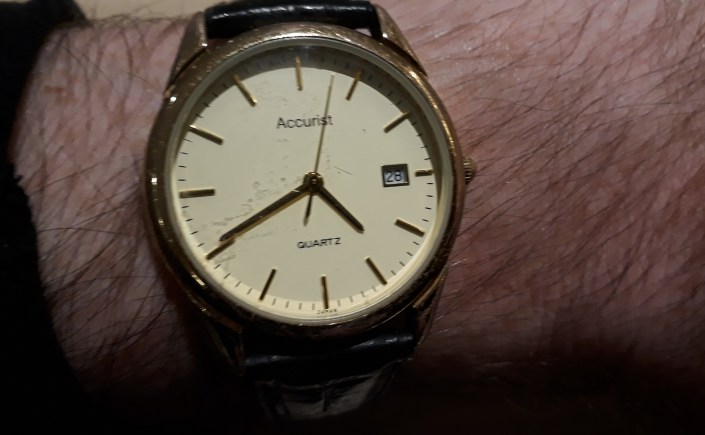
A pretty straightforward question generally, but one with a surprisingly complex range of possible answers.

Over breakfast today, thinking about what to write today, I noticed this article on the BBC website:

I had another of those putting-two-and-two-together moments today. I was trying to elicit the word second from a student. This was in the context of saying a date. This is often quite tricky for French speakers. In French you refer to a date as, for example, le vingt decembre (today’s date). If you were to literally translate this into English, it would be the twenty December, as opposed to the twentieth of December. French speakers often therefore take a while to get used to adding the the and of, and using the ordinal form of the number.

While writing yesterday, I was thinking about my tendency to think about language in general as I’m going about my daily life. Obviously this is something I do more often since beginning to work in the English-language teaching industry, but I realised that I’ve actually been doing it for a long time: just not in the same way.
This is kind of a companion piece to yesterday’s post, being about obscure words none of us really use.
I’ve seen a lot of lists on social media and various websites about obscure words people need to be made aware of, or obsolete words which need to be brought back. For example, here’s a story I came across this morning on the BBC Culture website: Twenty-six words we don’t want to lose.
Here’s the full list of words from the article; see if you guess what one of my issues with the list might be:


Absolutely.
 English-Language Thoughts