This or That Book Tag!

I’ve been deeply honoured to have been given this tag by grevisangel73. I highly recommend her blog for some great poetic adventures. And thank you also to ayunda at teanandpaperbacks.com for creating the tag.

The Rules:

  • Mention the creator of the tag (Ayunda @ Tea and Paperbacks).
  • Thank the blogger who tagged you!
  • Choose one of the options, you don’t have to tell the reasons why you chose that but you can also do them if you want to.
  • Tag 10 other people to do this tag to spread the love!

The Questions: Continue reading

Friday the 13th

Triskaidekaphobia

Paraskevidekatriaphobia

If you suffer from either of these phobias, you might want to keep a low profile today, and be extra cautious in everything you do. Avoid walking under ladders, and give any black cats a wide berth, because today of course, is Friday the 13th! The two phobias above are, respectively, a fear of the number 13, and a fear of Friday the 13th specifically. Continue reading

Commonly-Confused Words

One of the downsides to the richness of the English language’s vocabulary is that there are so many words that are similar in appearance and sound, yet with distinct meanings. The result of this is that it can be very easy to confuse the meaning of two different words. Generally this isn’t such a problem, as most confusing words are similar enough in meaning that it doesn’t really make a difference if you mix them up. Still, using the wrong word can often change one’s meaning, or even lead to embarrassment, so here are some of the most commonly-confused words in the English language: Continue reading

One Pun! Ah Ah Ah! TWO Puns, Ah Ah Aaaah!!

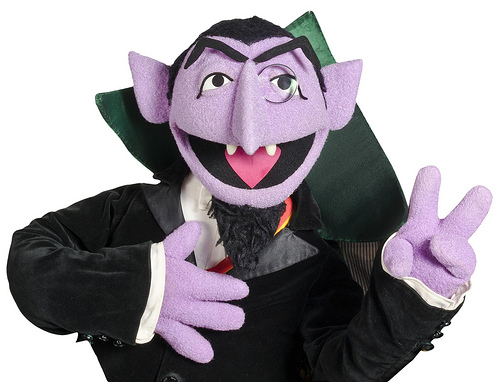
It seems I’m still thinking about monsters. I was reminded of an interesting fact recently. Many of you will have been aided in learning mathematics by Sesame Street’s The Count (or Count von Count, to give him his full name). The number-loving muppet was obviously a parody of popular images of vampires in general, and especially Count Dracula as portrayed by Bela Lugosi. Hence the name: obviously a pun on Count Dracula, and the fact that the Count… counts. But there may be another layer of meaning to his name… Continue reading

For all Intensive Purposes

Ah, to have the command of a native speaker! To be able to say exactly what you mean, without having to think about what you want to say, and without making mistakes! If only I could be that good, but I never will!

Such is the lament of almost everyone learning a language. No matter how we advance in our learning, no matter how confident we get, whenever we see a native speaker in full flow we’re at once impressed and dismayed. They remind us of how far we have to go, and the gap that, realistically, will always exist between a native speaker and a learner, unless they completely immerse themselves in the language.

But it’s not all doom and gloom. As I’ve said before, native speakers are prone to often-surprising mistakes in their own language. In many cases, these are grammar mistakes, caused partly by the fact that English grammar doesn’t tend to be taught with any degree of rigour in Anglophone countries.  The main reason we make mistakes though, is that we acquire our native language first through listening, and then speaking. Reading and writing come much later, and because they require the use of letters, accuracy is crucial to both. And yet, even when we’ve mastered the basics of reading and writing, most of our exposure to language remains aural, and our production of it, oral.

This is why, for example, many people will write your instead of you’re (I actually just typed your instead of you’re: it’s easy to do!); because when we hear someone say You’re great, and your blog is amazing (you get used to it after a while), you don’t see or hear a difference between You’re and your. Added to this, is the fact that we don’t always speak very clearly. My “teacher voice,” for example, is much louder, slower, and clearer than my voice when I’m speaking with other native speakers. Then I mumble, don’t use complete sentences, let words run into each other, and speak quite quickly. The result of this is that we don’t always hear things very clearly, and are particularly prone to mishearing commonly-used multi-word phrases. It’s the same concept behind mishearing song lyrics: the longer the phrase, the more opportunities we have for misunderstanding it. Let’s have a look at some of the most common phrases that people get wrong… Continue reading

A Monster Calls

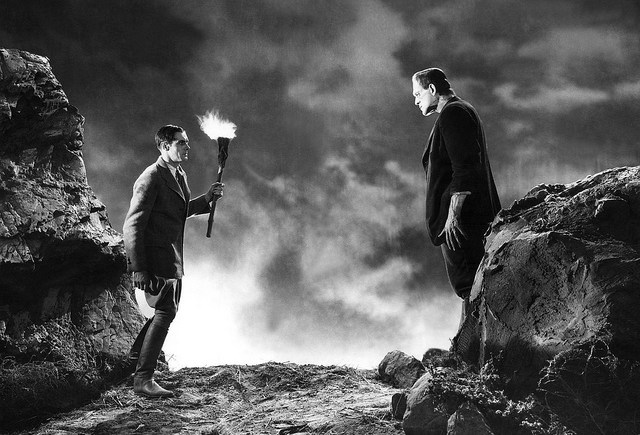
I went to see A Monster Calls on Friday night, and really enjoyed it. Without spoiling much, it was a tougher watch than I expected, but still quite beautiful and touching at the same time.

I’ve been ruminating on the word monster since then. While the meaning hasn’t changed greatly in the many years its been in use, I’ve been interested in its complexity and layers of meaning since learning something of its etymology a few years ago. It comes from the old Latin monstrum, meaning divine omen or portent. The appearance of hideous figures was believed to indicate the arrival of some great event. Monstrum is derived from the verb monere, which means both to warn and instruct. From this root also came the verb monstrare, meaning to show or point out. This word gained the prefix de-, with demonstrare meaning to demonstrate, with the prefix meaning entirely.

So while the words demonstrate and monster might seem quite different on the surface, there are some basic similarities in their individual meanings. The appearance of a monster was believed to demonstrate that something momentous was going to happen, and throughout all the time we’ve been telling stories, monsters have been used to demonstrate one thing or another, and instruct us in some important life lessons. Continue reading

Top Ten of 2016!

As it’s a new year (and it’s Sunday and I’m feeling lazy), I thought it would be an appropriate time to look back on my 10 most-viewed posts from last year, including my thoughts on why they might have been more popular. Continue reading