
It’s September, and that always makes me think of the names of the months. September of course, is the ninth month of the year, but the name might make you think it’s the seventh, if you know your Latin.
September, and the Names of the Months
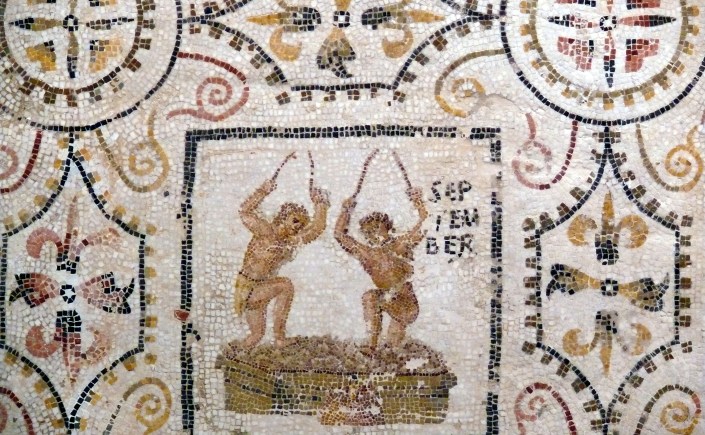
It’s September, and that always makes me think of the names of the months. September of course, is the ninth month of the year, but the name might make you think it’s the seventh, if you know your Latin.

This was a common refrain of my childhood. From my lips, anyway, for you might recognise this as a mondegreen. Anyone familiar with 80s and 90s children’s cartoons/toys might know that I was mishearing the lyrics to the Transformers cartoon. The line of course should be robots in disguise.
Which makes a lot more sense. I mean, that’s the whole point of the Transformers. They’re in disguise. They’re robots, and they’re in disguise. In my defence, some of them could fly, so my interpretation made sense to six-year-old me. Still, on paper, in the skies and in disguise are fairly distinct. Th doesn’t sound like D, E doesn’t sound like I, and K doesn’t sound like G. How could I make such a mistake?

–How’s your beautiful mother?
A common error for French speakers, and one I think I heard fairly recently. It’s not just a mistake in that it’s generally inappropriate, but linguistically too. If a French speaker ever asks you a question like this, or asks about your beautiful daughter/sister, or handsome father/brother/son, there’s a good chance they’re asking about your in-laws.
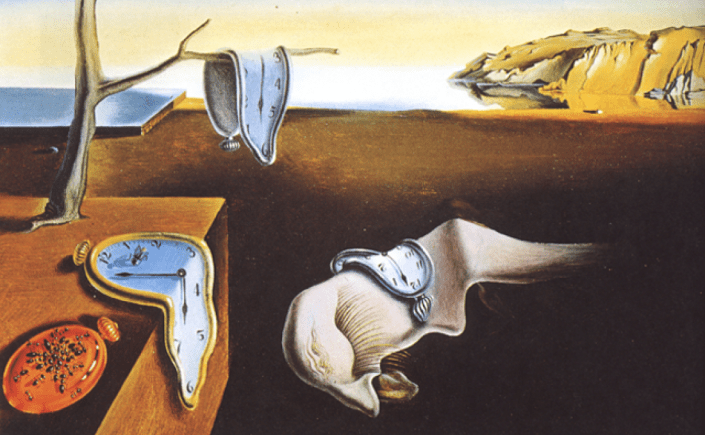
Do we talk about the past more in English, compared to other languages? This is something I was thinking about yesterday, when talking to someone in French about something that happened over the summer. I’ve always found using the main past tense (passé composé) in French a little cumbersome. Talking about the present is quite straightforward once you know the verbs you want to use, and structurally is quite similar to the present simple in English.

I think I became aware of the word trending a few years ago, whenever it began to creep outside of Twitter, as I’ve only recently started to dip my toes in the water of the Twittersphere. My first thought was that the word seemed to mean popular, but that there must be some more specific meaning to it. In time, I told myself, that meaning would become clear.
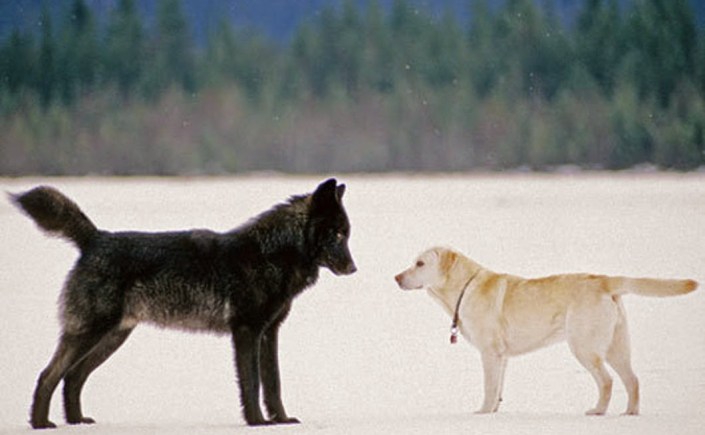
What’s the singular form of the word species? Let’s say for example, that I want to say the following:
There are many different species of snake around the world.
That’s OK, I’m referring to multiple species so of course it has to be plural. But what if I want to be more specific, and say something like:

I’ve been nominated for this award by Grace over at That Feeling Inside. A big thank you to her, and I recommend her blog for her thoughts on beauty, movies, and everything else.
This award was created by Okoto Enigma to bring bloggers together. And it’s a nice change of pace and short post on a Sunday when I don’t want to write too much.
 English-Language Thoughts