
I know this one! I hear you say. -ise is British English, and -ize is American English. That’s it, isn’t it?
Basically yes, but also no, not really. Continue reading

I know this one! I hear you say. -ise is British English, and -ize is American English. That’s it, isn’t it?
Basically yes, but also no, not really. Continue reading
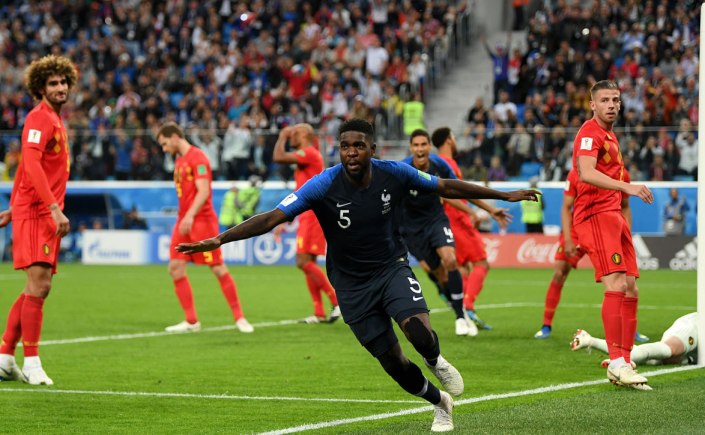
Yesterday on Facebook, I wrote briefly about the French phrase tenir la chandelle (literally to hold the candle), which means to play gooseberry. This got me thinking a little about the French verb tenir, which then led me to think about how it relates to the French word maintenant.
And yes, this is all about French, but in honour of France qualifying for the World Cup Final tonight*, I thought it was time for a little change of pace, and some French-Language Thoughts!™ Continue reading
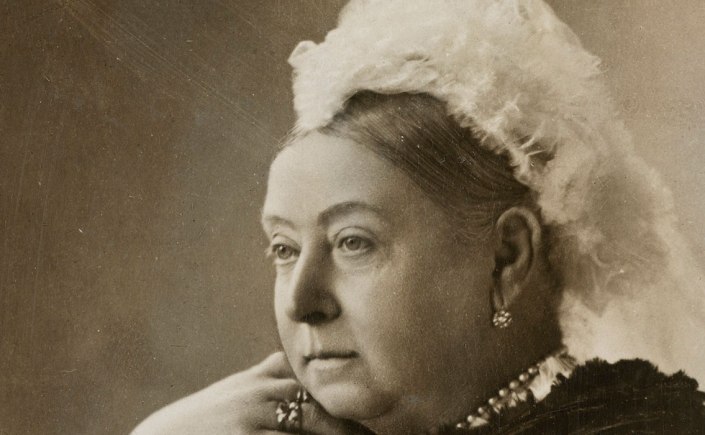
The word we is a pretty simple one, isn’t it? You’re not going to get confused about what it means, or how to spell it, are you? Probably not, but what about how it’s used in the title there? Continue reading
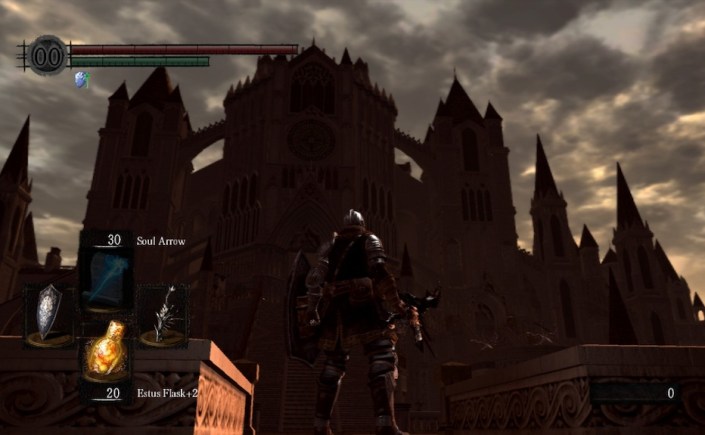
Sit down, and let me tell you a tale. A tale of knights and sorcerors, of demons and monsters, in a strange and lonely land, far, far from here. A tale of one knight in particular, who stood apart from all the others, distinguished by his valour and selflessness. Continue reading

It’s much too hot to write anything. Moving my fingers is simply too much effort, never mind how hard it is to get my brain working at full capacity.
And it is actually hot. It’s not the typical 20° in June in the west of Ireland which feels hot, until later when you go on holiday and realise it was actually merely warm back in June. No, it’s 8.40pm, and 26.6°. It was 29.5° earlier. It’s hot. Continue reading

This is a post. Like the the 706 others before it. Continue reading

Yesterday I promised you I’d explain why we’re so, well, free with how we use the word free in English. I’m sure you’ve been on tenterhooks since then, so let’s investigate. Continue reading
 English-Language Thoughts