
You may already know the difference between these two words, but I think that they can be easily confused, so it’s useful to make a distinction. To put it most simply: astronomy is real, and astrology isn’t.
Astronomy and Astrology

You may already know the difference between these two words, but I think that they can be easily confused, so it’s useful to make a distinction. To put it most simply: astronomy is real, and astrology isn’t.

Without checking, I can safely say that I refer to words and phrases being coined a lot in these posts. I’ve long wondered why we use to coin as a verb in this way, so different, apparently, from how we use coin as a noun. So I decided to look into it.

You may know that a blurb is any text on the back cover (or occasionally inside the dust jacket) of a book. The word is generally associated with quotes from authors or reviewers praising the book, but it can also refer to any text, like a plot summary, author biography, or information about the series the book belongs to. Continue reading

Un non-magique, apparently.
Before I go any farther, I should explain that I’m talking about Harry Potter.
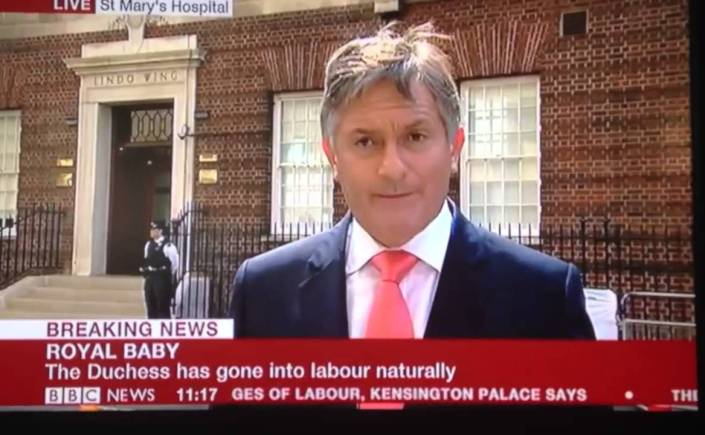
This is one of those terms that’s become so common that its original (and, after some thought, fairly obvious) meaning has become a little lost to time.

Why do we use the word quarter to refer to an area of a town or city, usually one with a large population of a certain ethnicity, nationality, or cultural identity?

You’re probably familiar with these abbreviations, used to indicate if a year took place either on or after AD 1, or before it. You probably also know that BC stands for Before Christ, as our current calendar system is based on the assumption that Jesus Christ was born in AD 1. What about AD though?
 English-Language Thoughts