
You might know the song “Yankee Doodle,” even if you’re not American. One line might sound a little strange to you:
Stuck a feather in his cap, and called it macaroni.
Why macaroni? Continue reading

You might know the song “Yankee Doodle,” even if you’re not American. One line might sound a little strange to you:
Stuck a feather in his cap, and called it macaroni.
Why macaroni? Continue reading

When watching American TV and films, as a younger person, I’d consistently be amazed at how often characters would refer to a college class such as Biology 101 or History 101. Such lazy writing, I’d think. Why do they always say the classes are in Room 101? Why doesn’t even one writer decide to buck the trend and set their class in some other room? Even just Room 102! Continue reading
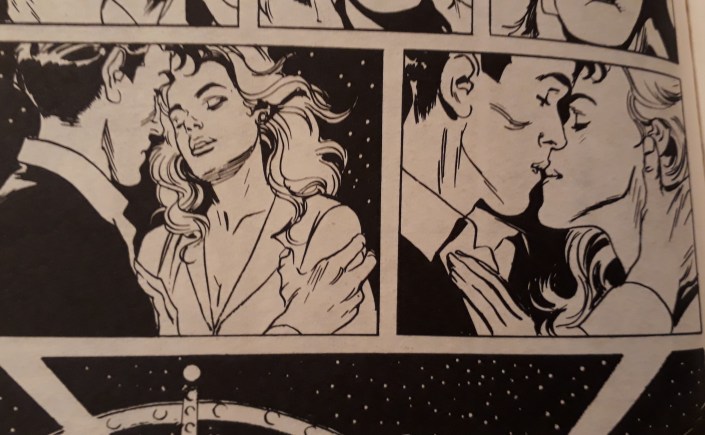
I come across the word morbido in my Italian comic-book reading now and then, and I can never remember what it means. The only thing I ever remember is that it’s quite different from morbid in English. Continue reading

I was reminded today of the term Third World. It was quite commonly used when I was a child, basically synonymous with developing world. I remember occasionally wondering as a child why we used the term (there’s only one world!), but it also feeling like it made sense. I think I was somewhen in my teens when I learned the answer.
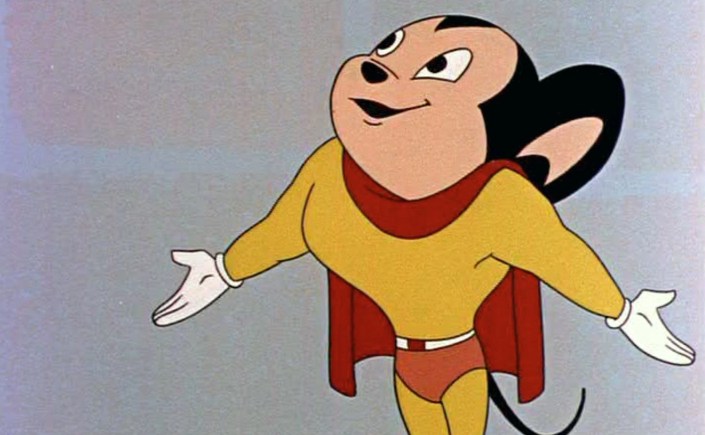
I saw the word mighty today (not a word you see all the time these days), and immediately wondered if it were linked to the modal verb might (as in I might be mighty, but might I be the mightiest?) Continue reading

I used this expression recently, and wondered where it comes from. Is it related to boots, the footwear? If not, is it related to any other words?
It’s not actually related to the boots that one wears at all, but still has an interesting story to tell. Continue reading

I read something online recently about the Star Wars UK Twitter account teasing an announcement about the next Star Wars film.
Using the verb to tease in this way is fairly new, and always interesting to me. Continue reading
 English-Language Thoughts