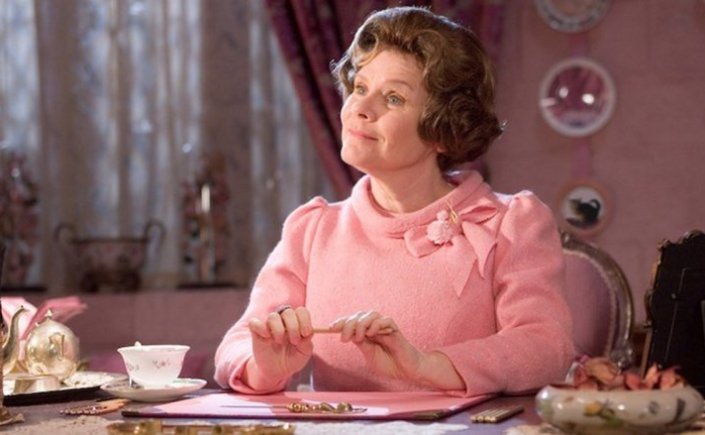
Blond on Blonde

You may have noticed yesterday, that I wrote the following, ungainly looking thing:

blond(e)

Why put the E inside parentheses, some of you might have furiously asked? Or perhaps you slammed your fist on the table and angrily wondered why I even bothered including the E at all. Well, as always, I had my reasons, because blond and blonde are in fact two distinct words.

Continue reading

Pretty, Pretty, Pretty Good

Adjective:

(of a person, especially a woman or child) attractive in a delicate way without being truly beautiful.

‘a pretty little girl with an engaging grin’

Adverb:

To a moderately high degree; fairly.

‘he looked pretty fit for his age’

‘it was a pretty bad injury’

Pretty is, well, a pretty interesting word. The definition that immediately comes to mind for you is probably the first one above. What really interests me about this definition is that last part: without being truly beautiful. Pretty is certainly a less powerful word than beautiful. Because of that it, like nice, feels almost like an insult to use it to describe someone. Sure, it’s technically a positive word, but when you’ve got so many other adjectives you can use, calling someone pretty feels like a deliberate choice to not use something more unambiguously complimentary.

Continue reading

What does the Name of your Favourite Coffee Mean?

It seems like only a few years ago, when, as chain coffee shops like Starbucks became popular, every second comedian felt compelled to joke about how coffee shops had so many crazy types of coffee.

Now though, such chains are commonplace, and we’re all quite used to the idea of being able to get a variety of coffees. Have you ever wondered though, what all those names actually mean?

Continue reading

Throwing Shade and Taking Umbrage

After writing about the word umbrella recently, I began to realise that umbra, the Latin word for shade, has had a little more influence on the English language than you might think.

Continue reading

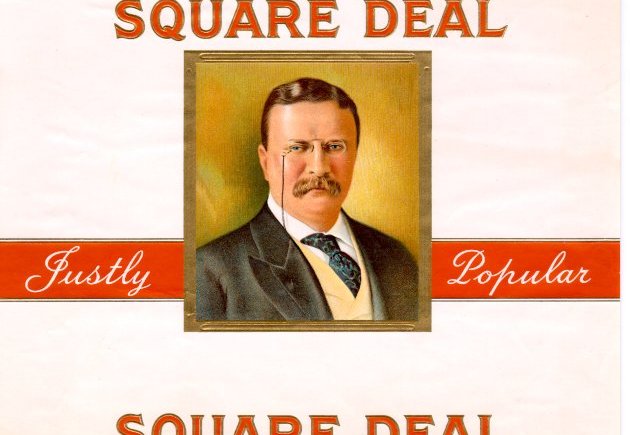
A Square Deal

Squares probably aren’t as interesting as circles, but they still seem to occupy our minds more than most other shapes. You can see that in the way we have so many expressions in English with the word square.

Continue reading

Who’s or Whose?

An easy one today: when should you use who’s and whose? This is pretty straightforward, and I think most mistakes people make with them are generally typos caused by the two sounding similar. But I do notice quite a lot of mistakes with these words in people’s writing. First, let’s look at some examples of both being used correctly:

Continue reading

Why You’re Using Umbrellas Wrong

Recently a student was trying to think of the word umbrella. They knew the French word (parapluie), but that didn’t help them to remember or figure out what the English word is. And as I thought about the word umbrella, I completely understood why: it actually has nothing to do with rain at all.

Continue reading